Corrosion increases resistance and heat. It can also weaken the breaker contact. If the bus is corroded, replacement often becomes the safest option.
If you need diagnostics now, Troubleshooting Repairs
An electrical panel (breaker box) is a safety device first. It controls power, protects circuits, and helps prevent overheating.
At Leduc Electrical Contracting, a Master Electrician oversees your panel upgrade. We use testing and code-based load calculations so your home can handle modern power demands, such as EV charging, air conditioning, and larger appliances.
Your electrical panel does three main jobs:
When panels age or loads increase, heat can build up at breakers, bus bars, and lugs. Heat is the warning sign. We treat a panel upgrade as a safety project, not a quick swap.

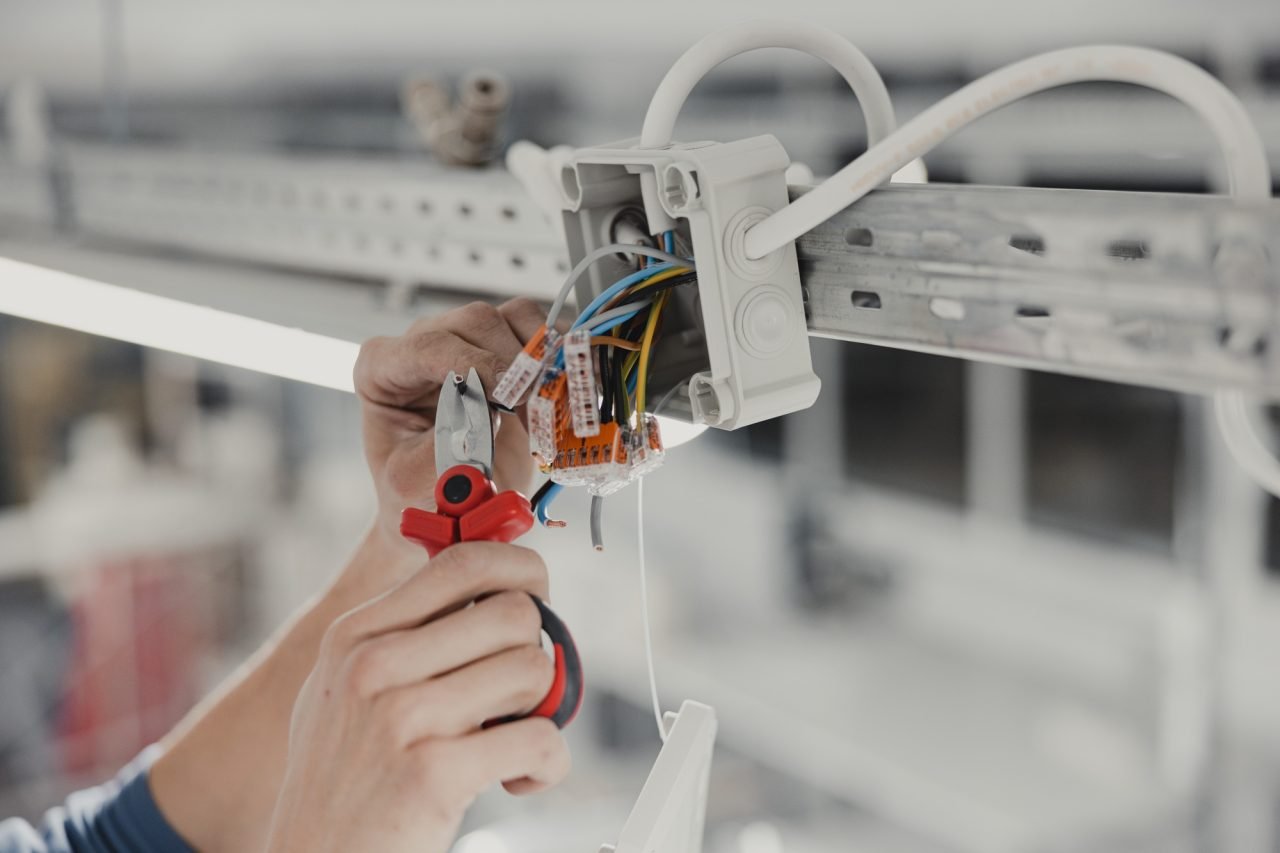
These simple statements show how panel problems create real risk:
FortisAlberta coordination → enables → safe disconnect/reconnect when required
A panel upgrade is not guesswork. CEC Section 8 explains how to calculate loads for services and feeders. It uses calculated loads and demand factors to reach a safe, code-aligned result.
A demand calculation confirms whether your home can stay on 100A or needs 200A (or, in some cases, 400A). We use it to justify capacity changes during permitting and inspection.
These are common reasons a home needs more capacity:
If your home adds multiple new loads, the panel must be able to support them safely. We confirm the math before we recommend an upgrade.
In Alberta, electrical work falls under the safety codes system. When a project needs a permit, the permit and inspection create a safety record. That record supports insurance conversations and helps protect home value during resale.
Plain-language takeaway
If someone recommends a 100A→200A upgrade without a documented load calculation, you should pause. The safe path is: test → calculate → permit → inspect.
This page stays residential on purpose. It prevents overlap with commercial and industrial work.
If your project is commercial/industrial, use: Commercial
If you see these symptoms, book an inspection. Don’t remove covers or touch live equipment.
Buzzing can mean a failing breaker, a loose connection, or arcing. We test the circuit, check connection points, and confirm the source before we replace anything.
A warm cover often means heat is building inside the panel. We use thermal checks to locate hot lugs, stressed breakers, or overloaded circuits.
If the lights dim when the AC starts, your system may be close to its limit or suffering a voltage drop under load. We verify demand, circuit capacity, and service sizing using load calculations.
Corrosion increases resistance and heat. It can also weaken the breaker contact. If the bus is corroded, replacement often becomes the safest option.
If you need diagnostics now, Troubleshooting Repairs
We follow a clear SOP, so your upgrade stays safe and inspection-ready.
We inspect lugs, breakers, and signs of heat stress. Heat shows risk, even when the panel “looks fine.”
We run a demand calculation and confirm what your home actually needs. We size the service for real loads, not guesses.
We handle the permit steps and prepare the job for inspection approval. You get a clean record of the upgrade.
Some service work requires planned coordination for disconnects and reconnects. We schedule and sequence work to reduce downtime.
A Safety Codes Officer inspects regulated electrical work and verifies compliance.
Level 2 charging adds a major new load. If your panel lacks capacity or breaker space, a panel upgrade (or a safe-load plan) is the first step.
When aluminum wiring is present, insurers often review the overall electrical risk more closely. A modern panel and documented upgrades can reduce risk signals and clarify paperwork.
Cost depends on service size (100A, 200A, or 400A), grounding updates, permit steps, and whether the service mast or the meter area needs work. We confirm the scope after diagnostics and load calculation, so you pay for the right fix.
Next step: Contact
Sometimes, but not always. We run a demand calculation and check breaker space to confirm whether your panel can safely support Level 2 charging.
Most residential panel upgrades take 4–8 hours of planned downtime. We schedule the work to minimize disruption and coordinate timing for utility steps.
Scheduling: Contact
Insurers look for fire risk indicators such as overheating, corrosion, older panels, and unsafe wiring patterns. A modern panel and documented work can help demonstrate that you properly addressed safety concerns.
Related risk factor: Aluminum Wiring
A panel upgrade modernizes or increases your main service equipment. A sub-panel adds circuit space for a specific area, but the main service must still have enough capacity.
Renovation planning: Renovations
Many service and panel changes require a permit and inspection under Alberta’s safety codes system. We handle the permit steps and prepare the job for inspection approval.
Yes. A panel upgrade is a good time to add surge protection, since the work is done at the service equipment. It helps reduce the risk of damage to appliances and electronics from spikes.
Corrosion can create unsafe contact points and heat. We inspect the bus, breakers, and enclosure condition and recommend the safest repair or replacement path.
Diagnostics: Troubleshooting Repairs
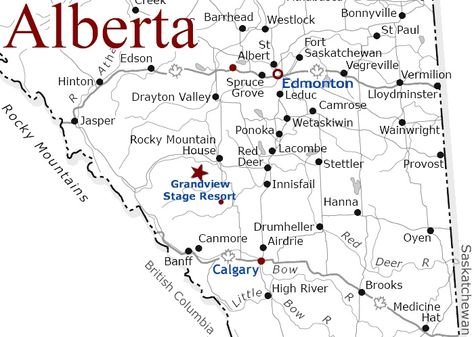
We serve homeowners in Leduc and nearby communities in Leduc County. Use our service-area pages to confirm coverage and find the right local page.
If you hear buzzing, feel heat at the breaker box, see dimming under load, or plan EV charging, book a safety inspection. We test, calculate, and explain the safest next step.

Leduc Electrical Contracting
Trusted Alberta electricians providing safe, professional electrical installations, repairs, inspections, and solutions for homes and businesses.
Copyright © 2026 Leduc Electrical Contracting. All rights reserved.