- leducelectricalcontracting@gmail.com
- 5513 52 Street, Leduc, AB T9E 5P6
- Mon–Fri: 8:00 AM – 6:00 PM
- Sat: 9:00 AM – 2:00 PM
- Sun: Closed
When power fails in a business, the risk extends beyond downtime. It can be arc flash, equipment damage, and unsafe conditions for staff and customers.
Leduc Electrical Contracting provides priority emergency response across Leduc and Nisku, staged from 5513 52 Street for faster dispatch in the corridor.
Emergency decisions are overseen by David Elisha Maddox (Journeyman #222200A) to ensure consistency in isolation and compliance.
Emergency work is not “try a few parts.” It is controlled isolation, correct testing, and safe restoration.
We reduce risk before anyone touches equipment. We ask what failed, what is still running, and whether you see smoke, heat, or sparking.
We may instruct you to:

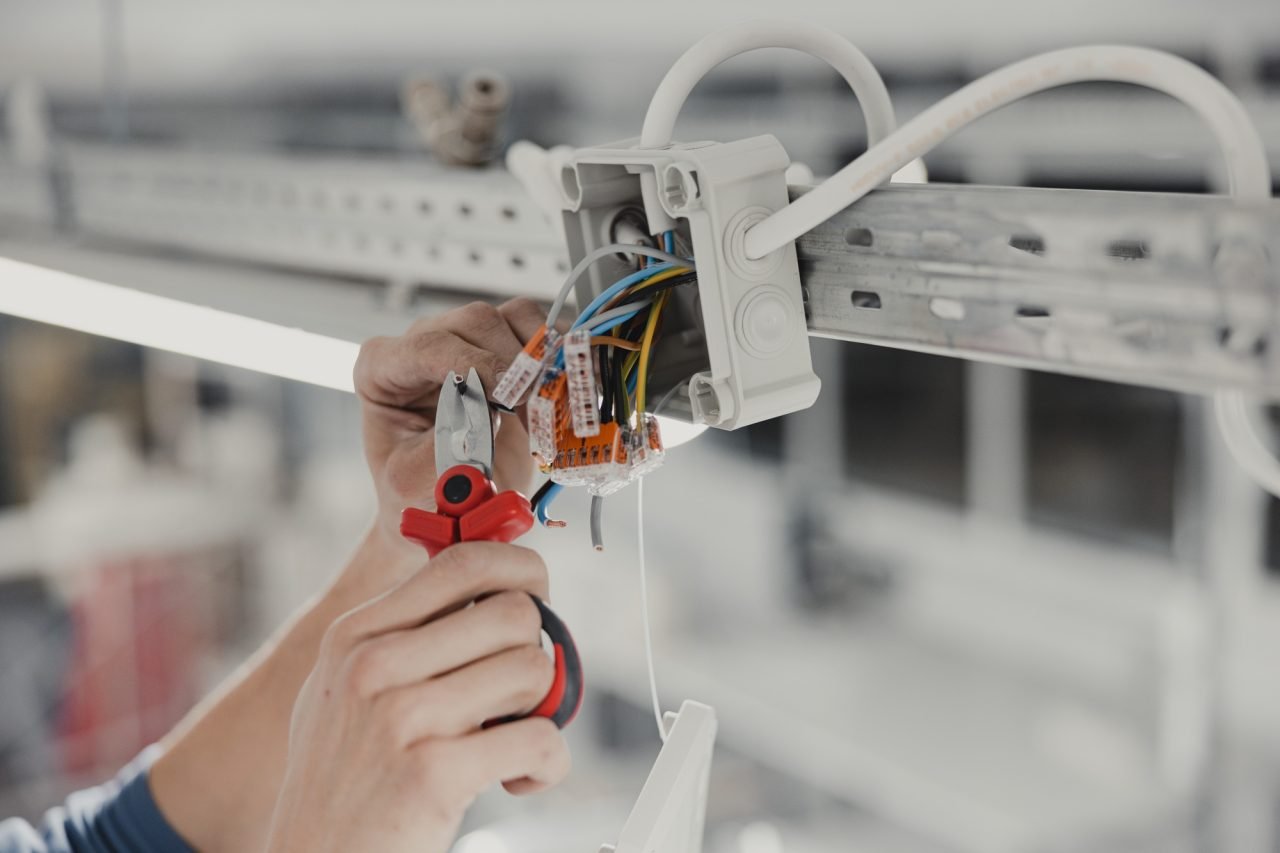
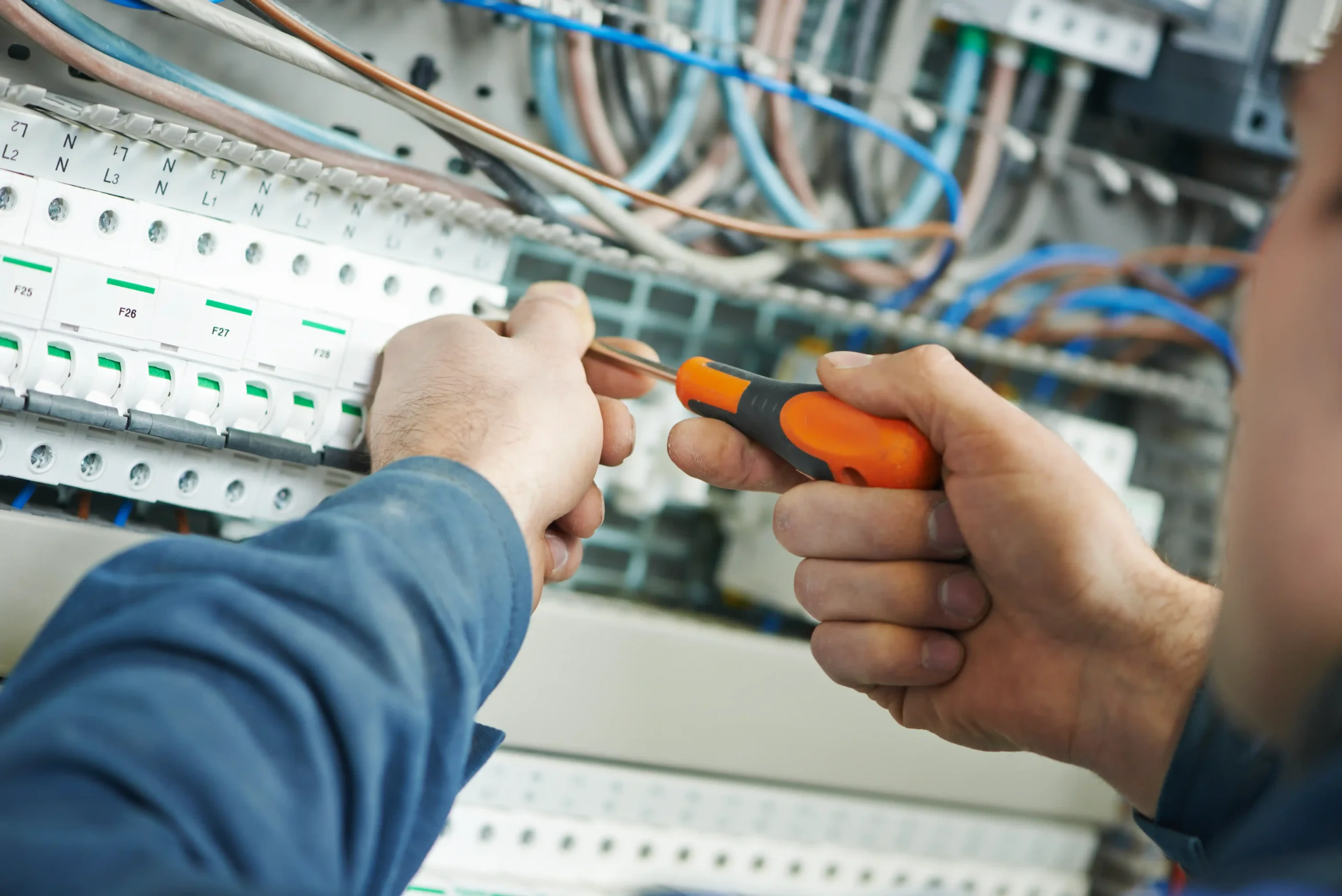
On arrival, we isolate the fault. We use Lock-Out Tag-Out (LOTO) to control energy and prevent accidental re-energization.
This step reduces:
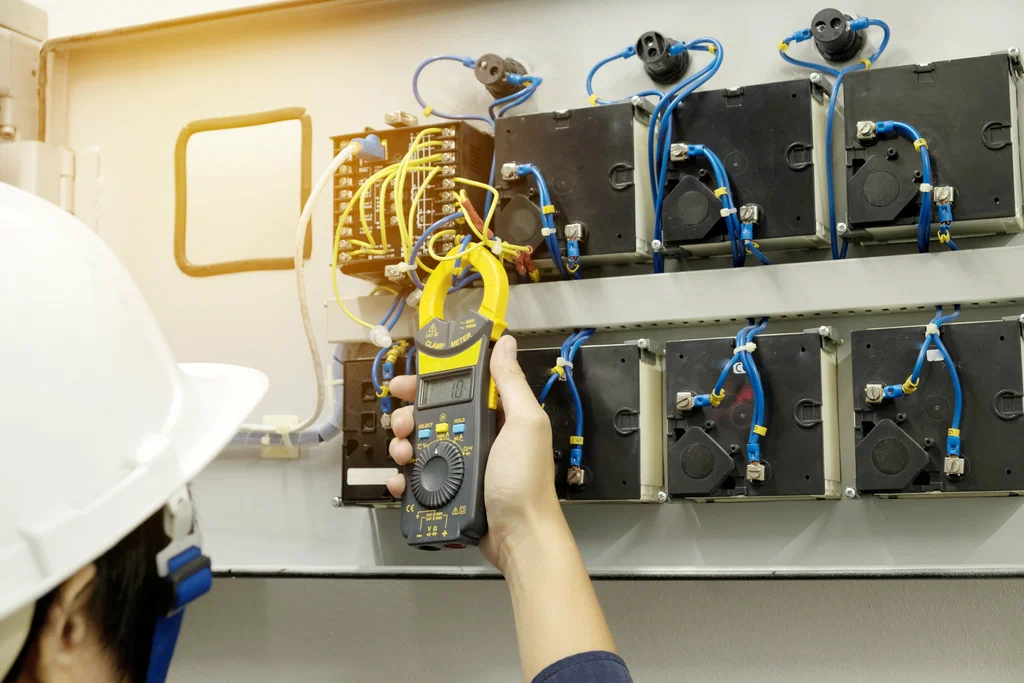
Once the site is safe, we test. We determine whether the fault is a distribution issue, a device failure, a motor circuit issue, or a supply problem.
We use targeted checks such as:
Every time a circuit warms up, metal expands. When it cools, metal contracts. That cycle can loosen weak terminations.
When contact pressure drops, resistance rises. Resistance generates more heat, accelerating failure.
We restore operations using the safest path:
If the issue is utility-side, we make-safe on your side and coordinate with Fortis/EPCOR.
Phase loss is one of the fastest ways to destroy industrial motors. It can start from upstream utility issues, damaged conductors, failed fuses, or a loose termination.
A neutral problem can create unstable voltage. That can shorten bulb life and stress electronics.
A 3-phase system expects all phases to be present and balanced. When one phase drops, motors can operate in “single-phase.”
Single-phasing can cause:
Some emergency work is like-for-like. Some emergency work becomes a system modification. When permitting is required, we align the emergency scope with the City of Leduc CityView process.
The safe pattern is:
For proof identifiers and vendor onboarding: Certified
We prioritize urgent response in high-activity nodes where downtime and public safety risk are higher.
Primary emergency nodes:
For broader coverage: Service Areas
Response time depends on live demand and hazard level. Smoke, overheating, sparking, or partial power loss affecting operations are prioritized.
Yes. Vendor portals often require onboarding proof. Our WCB Alberta account ends in 1691.
Yes. If we identify utility-side symptoms, we coordinate escalation and focus on making safe actions on your side to reduce equipment damage.
When a permit is required, we align the work with CityView. Some steps are made safe first, then permitting, and inspection alignment follows.
If safe to do so:
That helps us triage and reduce downtime.
If your site experiences partial power loss, overheating, risk of phase loss, or repeated trips that shut down equipment, call now for priority dispatch.
