- leducelectricalcontracting@gmail.com
- 5513 52 Street, Leduc, AB T9E 5P6
- Mon–Fri: 8:00 AM – 6:00 PM
- Sat: 9:00 AM – 2:00 PM
- Sun: Closed
Industrial sites run on stable power, clean distribution, and controlled downtime. Leduc Electrical Contracting supports warehouses and shop floors across the Nisku–Leduc corridor, with work coordinated from 5513 52 Street.
All industrial decisions are overseen by David Elisha Maddox (Journeyman #222200A) to keep troubleshooting, compliance, and documentation consistent across your site.
Industrial electrical work must reduce risk before it touches production. This workflow is designed to prevent repeat failures, nuisance trips, and motor damage.
We start with load behavior, not guesswork. We review 3-phase loading, imbalance, and how motors start under real production conditions.
Common issues we isolate early:
We document what the system is doing, then we correct the root cause.


When the site includes flammables, dust, vapours, or process areas, wiring method requirements change quickly. CEC 2024 Section 18 governs hazardous locations, including classification, equipment selection, and sealing practices.
We treat classification as a safety control. We confirm the class/zone requirements before selecting devices, fittings, or raceways.
Industrial environments damage wiring. We plan for abrasion, vibration, and equipment traffic.
We use durable methods where appropriate:
A strong install can still fail if terminations loosen. Vibration and thermal cycling are real.
We verify by:
For scheduled risk reduction, use: Maintenance
For urgent outages, use: Emergency Service
Hazardous locations are not one label. Risk levels change based on where the hazard occurs and how often it is present.
The zone drives equipment choice, sealing methods, and installation detail. A mismatch can lead to inspection failures and pose a real safety risk.
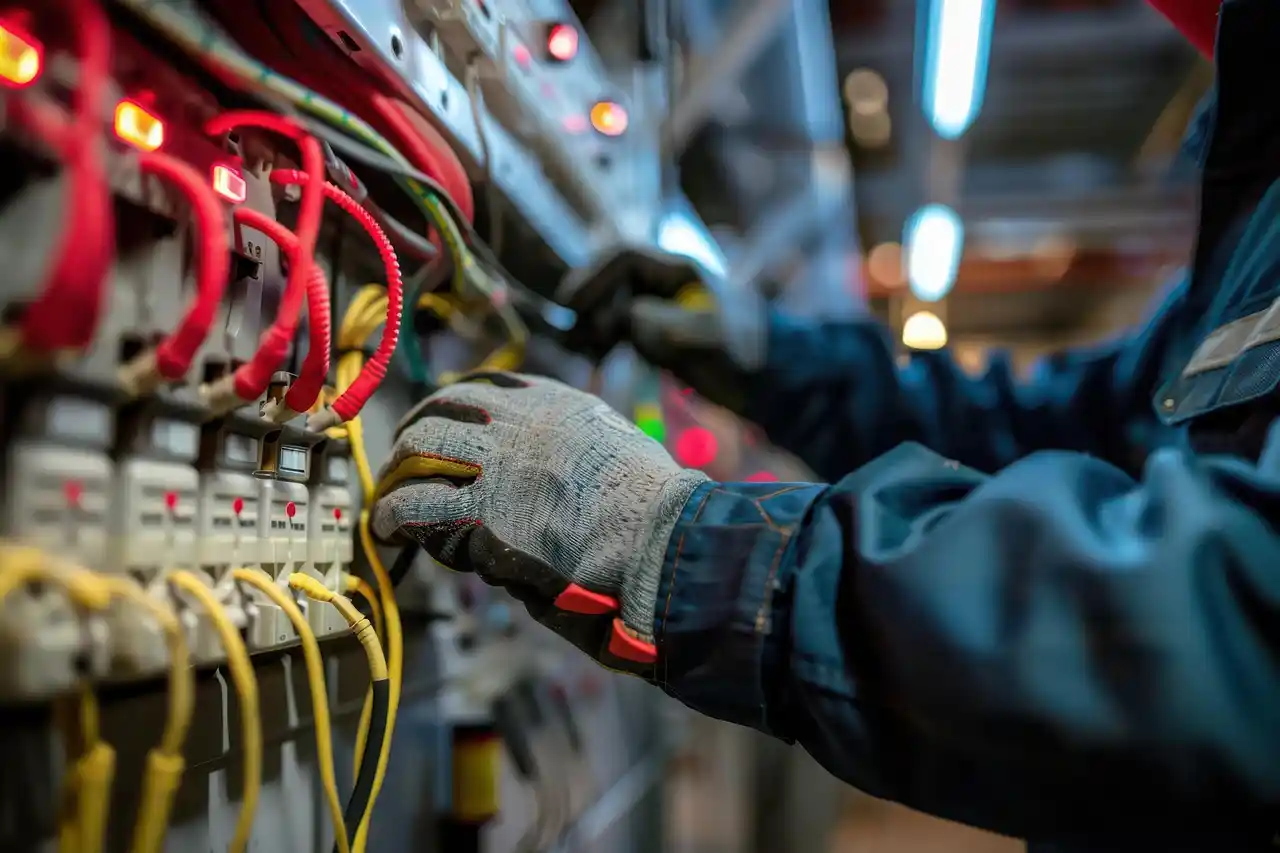
Sites near storage, transfer points, or process equipment can have changing zone boundaries. Dust areas can behave differently from vapour areas.
We confirm the classification basis before we change wiring methods. That keeps the compliance chain intact and reduces rework.
Industrial corridors can experience voltage sags during heavy starts, compressor cycles, or large load swings. Sag can trip VFDs, drop controls, and cause equipment to restart at the wrong time.
We isolate sag symptoms by:
If the fix requires distribution changes, we plan the least-disruptive path first
We prioritize industrial nodes where response speed and site familiarity matter.
Primary service nodes:
For broader coverage pages, use: Service Areas
Yes. Industrial sites often require vendor onboarding proof. Our WCB Alberta account ends in 1691.
Industrial work often changes distribution and control behavior. Oversight keeps the plan, execution, and closeout consistent when permits and inspections apply.
VFDs can introduce harmonic distortion and change how protection devices "see" the load. Long runs, weak terminations, or grounding issues can turn into repeated trips.
We isolate whether the cause is wiring, protection coordination, grounding, or drive behavior.
Common signs include hot motors, uneven current draw, and early motor failure. You may also see nuisance trips and unstable control circuits.
We confirm the imbalance in the measurement and correct the distribution issue at the correct point.
Yes. We check loading patterns, starting conditions, terminations, and voltage sag behavior. We look for root causes like imbalance, harmonics, or loose connections.
If possible, have:
That helps us reduce downtime and move straight to validation tests.
If your site has nuisance tripping, voltage sag, VFD issues, or unstable 3-phase behavior, book an industrial diagnostic visit.
