
Trusted Alberta electricians providing safe, professional electrical installations, repairs, inspections, and solutions for homes and businesses.
Commercial Electrical Maintenance | Leduc & Nisku (Uptime + Documented Safety)
Break-fix thinking creates downtime, rush costs, and liability gaps. This page is about preventative asset management for existing electrical systems.
Leduc Electrical Contracting provides predictable uptime and documented safety for commercial sites in Leduc and Nisku. Oversight is provided by David Elisha Maddox (Journeyman #222200A) to keep decisions consistent and inspection-ready.
Risk-Reduction SOP (IR Scan → Torque → Power Quality → Report)
This workflow is built to reduce failure risk before it becomes an outage. It supports the insurance “duty of care” with clear records.
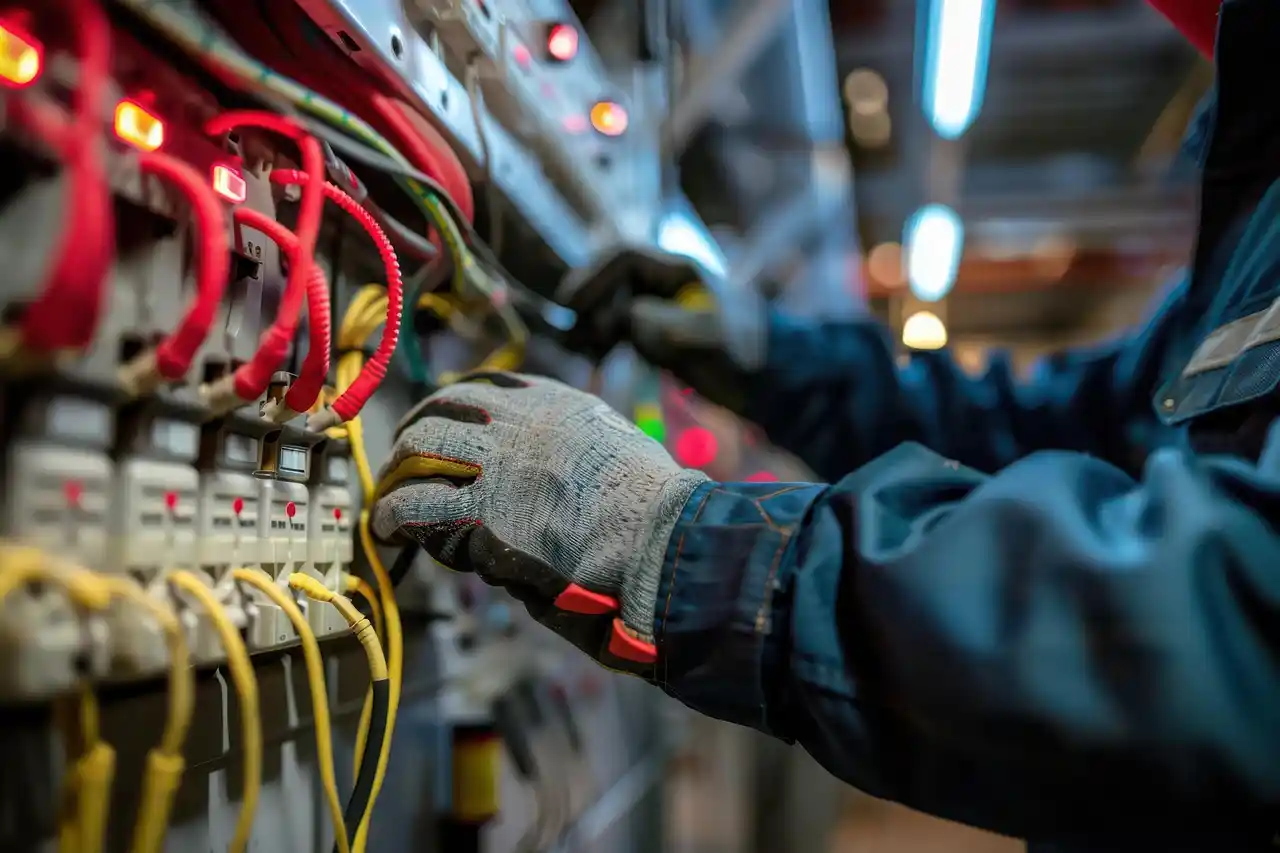
Infrared thermal scanning (detecting hot spots under load)
We scan energized equipment and look for abnormal heat. Heat often points to high resistance, imbalance, overload, or a weak termination.
We flag the risk level and recommend the safest correction path.


Termination torque audits (CEC 2024 connection stability)
Vibration and thermal cycling loosen terminations over time. Loose connections increase resistance, and resistance creates heat.
We verify critical connections using proper torque methods so equipment stays stable under normal operating load.
Power quality monitoring (sags, harmonics, nuisance trips)
Many “random” shutdowns are power-quality events. Voltage sags, harmonic distortion, and inrush behavior can trip protection and disrupt controls.
We identify patterns so the fix targets the source, not the symptom.
compliance reporting (insurance + property file records)
You receive clear records for vendor portals, property files, and internal maintenance tracking.
Reports can include:
- thermal findings with risk priority
- corrective action list and scope notes
- closeout confirmation after repairs
- documentation that supports “duty of care.”
Scope Filter (Existing Infrastructure Only)
Included (Maintenance)
- Preventative checks on existing panels, distribution, and critical circuits
- IR thermography on energized equipment
- Torque verification on critical terminations
- Power-quality review (sag/harmonics/trip patterns)
- Written records for insurance and property files
Not Included (Separate Scope)
- New construction rough-ins and full build wiring
- Interior tenant fit-outs and turnover work
- Utility-side transformer and service ownership-side work
- Fire alarm / life-safety specialty systems (separate trade)
- Major design-build engineering packages
NFPA 70B + Thermal Imaging (Arc-Flash Risk Reduction)
Thermal imaging is not just a “nice extra.” It is a risk-control measure that identifies high-resistance connections before they fail.
NFPA 70B supports planned electrical maintenance programs. In practical terms, it pushes sites toward scheduled checks and documented corrective actions.
Why high-resistance connections become catastrophic failures
High resistance converts electrical energy into heat at a connection point. Heat damages insulation and device parts and can escalate into severe failure.
Finding the issue early reduces:
- arc-flash exposure during emergency work
- unplanned shutdown risk during peak operations
- equipment replacement cost from heat damage
Why reports support the insurance duty of care
Insurers and property managers often want proof that known risks are monitored. A documented program supports that requirement.
That is why maintenance is a liability shield, not a “nice-to-have.”
Local Maintenance Patterns (Nisku Vibration + Leduc Common Controls)
We build programs around what sites actually face in each area.
Nisku Industrial Park (high vibration + motor loads)
Vibration and heavy motor starts can loosen terminations and stress distribution equipment. We prioritize torque stability, heat signatures, and power-quality patterns that cause nuisance trips.
Leduc Common (retail lighting + occupancy controls)
Retail spaces depend on stable lighting zones, controls, and occupancy devices. We focus on predictable operation and reducing trips that disrupt customer areas.
For broader local coverage: Service Areas
Maintenance FAQ (Online Testing, Duty of Care, Frequency)
Often, yes. IR scanning and some power-quality checks can be performed while systems are energized. Corrective work may still require planned downtime for safe repair.
We plan disruption before we touch critical operations.
Some insurers recognize documented risk reduction, but policies vary. The reliable value is fewer losses and stronger duty-of-care records.
If you need proof for onboarding, start here: Certified
It depends on vibration, load level, and operating hours. Many sites benefit from annual checks, with more frequent reviews for heavy-use or high-vibration areas.
We recommend a frequency after the first assessment.
Yes. Vendor portals often require WCB and credential confirmation. Our WCB Alberta account ends in 1691.
Schedule a Maintenance Assessment (Leduc & Nisku)
If you want fewer outages and better compliance records, start with a maintenance assessment. We identify risk points, prioritize fixes, and document the results.