
Trusted Alberta electricians providing safe, professional electrical installations, repairs, inspections, and solutions for homes and businesses.
EV Charger Installation Leduc | Level 2 Home Charging & Rebates
Level 2 home charging is not “just a plug.”” It is a continuous-load power system that must match your panel capacity, pass inspection, and satisfy Alberta safety expectations.
At Leduc Electrical Contracting, a Master Electrician designs and installs EV infrastructure that stays safe under long charging cycles and supports rebate paperwork.
EV Charging Is a Continuous Load (Why It Hits Harder Than Most Loads)
EV charging can run for 6 to 12 hours at a steady current. That steady draw makes it a continuous load.
Continuous load creates heat over time. Heat finds weak parts like loose screws, soft metal, and low-grade receptacles.
CEC Rule 8-104 and the “125% rule” in plain language
For continuous loads, the circuit must be sized so it does not run “maxed out” for hours. In simple terms, many EV setups follow the 125% sizing rule, which often means the charger current must be lower than the breaker rating.
A common example: a charger set to 40A typically needs a 50A circuit. A charger set to 32A typically needs a 40A circuit.
We set the charger to match the approved circuit. We don’t let “app settings” decide safety.
The ” physics of failure” behind melted outlets
A $15 big-box receptacle can fail under long charging cycles. The plug warms up, cools down, and repeats that cycle thousands of times.
That cycle can loosen contact pressure. Lower pressure raises resistance, and resistance makes more heat.
EV Charging Safety Facts (SPO Triples)
These cause-and-effect facts clarify the relationships between the EVSE, the panel, and City requirements.
- EVSE → draws → continuous load
- Continuous load → creates → heat at weak connections
- Breaker → protects → branch circuit from overcurrent
- Panel capacity → limits → safe EV charging current
- Load audit → determines → available capacity for EV charging
- City of Leduc electrical permit → triggers → inspection
- Inspection → verifies → code-compliant installation
Labelling → prevents → unsafe amp changes later
Hardwired vs Plug-In (NEMA 14-50)
Both options can work. The right choice depends on safety, convenience, and how much heat stress you want to manage.
Hardwired EVSE (industrial standard)
Hardwired installations remove the plug and receptacle as failure points. They reduce the number of hot-contact surfaces where heat can build.
Hardwired also makes it easier to lock settings and keep the install stable for years. That is the option we recommend most often for long-term reliability.
Plug-in EVSE (NEMA 14-50 convenience, higher thermal stress)
Plug-in charging can be convenient. But the receptacle becomes the high-stress point during long charging windows.
If you choose plug-in, we build it like equipment wiring. We size the conductors correctly, torque connections properly, and install a receptacle designed for thermal cycling.
Expert tip: Use Hubbell or Bryant for NEMA 14-50
If a plug is required, we recommend industrial-grade receptacles (commonly Hubbell/Bryant class). These are built to withstand higher contact pressure and handle heat stress better than basic consumer outlets.
That’s where many ” cheap installs” fail. We harden the weakest point.
2026 Information Gain: Adjustable Amp Chargers Must Be Locked and Labelled
Many modern chargers let you change the charging current in an app. That feature creates a risk.
A homeowner can increase the setting later. If the circuit was designed for a lower setting, the wiring can run too hot.
STANDATA 24-ECI-086 and the warning sign requirement
Alberta guidance for EVSE includes requirements that adjustable-ampacity systems must be set correctly by a qualified electrician and be supported by a permanent warning label at the point of connection.
We set the charger to match the approved breaker and conductor size. We label the install so nobody turns it up later without a new load review.

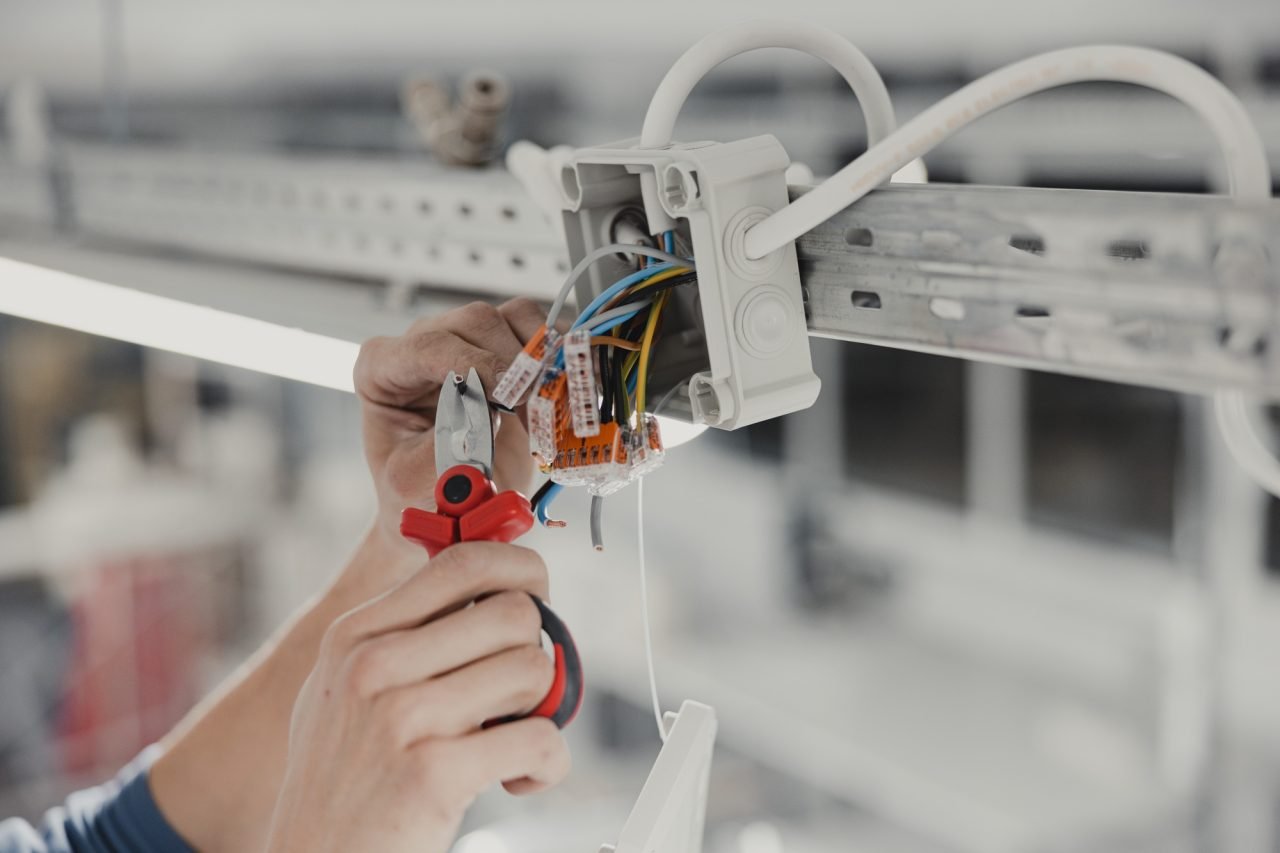
Smart Infrastructure: EVEMS (Energy Management Systems)
EVEMS is how many homes add Level 2 charging without a full service upgrade. EVEMS monitors total home demand and controls charging to keep the service limit within safe limits.
EVEMS is the “service upgrade killer””
If your home has a 100A panel, EVEMS can often enable Level 2 charging. EVEMS pauses or reduces charging when large loads are running.
This can save homeowners from a costly service change. It also keeps the system within safe capacity.
What load shifting looks like in real life
Your dryer turns on. EV charging pauses. The dryer finishes. EV charging resumes.
Your electric range runs. EV charging reduces. When the range stops, charging returns to normal.
EVEMS does this automatically. You don’t have to guess or manage it yourself.
Leduc Rebate and Permit (Up to $600 Back)
If you qualify, the City of Leduc EV charger rebate program can return up to $600 (or 50% of eligible costs, depending on the program rules).
Rebates often require proof of a proper install. That means permit, inspection, and clear documentation.
Master Electrician + electrical permit (required for rebate eligibility)
The rebate process typically requires installation by a qualified professional and the right permit and inspection record. A Master Electrician-led install makes that documentation cleaner and easier to submit.
We plan your install for safety first. Then we align the paperwork so your rebate file is simple.
CityView Portal and inspections
The City uses its online portal to manage permits and inspection scheduling. We file the right permit details and support the inspection process so the job closes properly.
What We Install (and What We Don’t)
It keeps the page focused and prevents overlap with commercial charging topics.
Included (residential EV infrastructure)
- Level 2 (208/240V) EVSE installs
- Load audits and capacity planning
- EVEMS (energy management hardware)
- Branch circuit design, labelling, and inspection support
Excluded (not this page)
- Level 3 DC fast charging (commercial systems)
- Solar-to-EV off-grid systems
- Utility-side transformer work
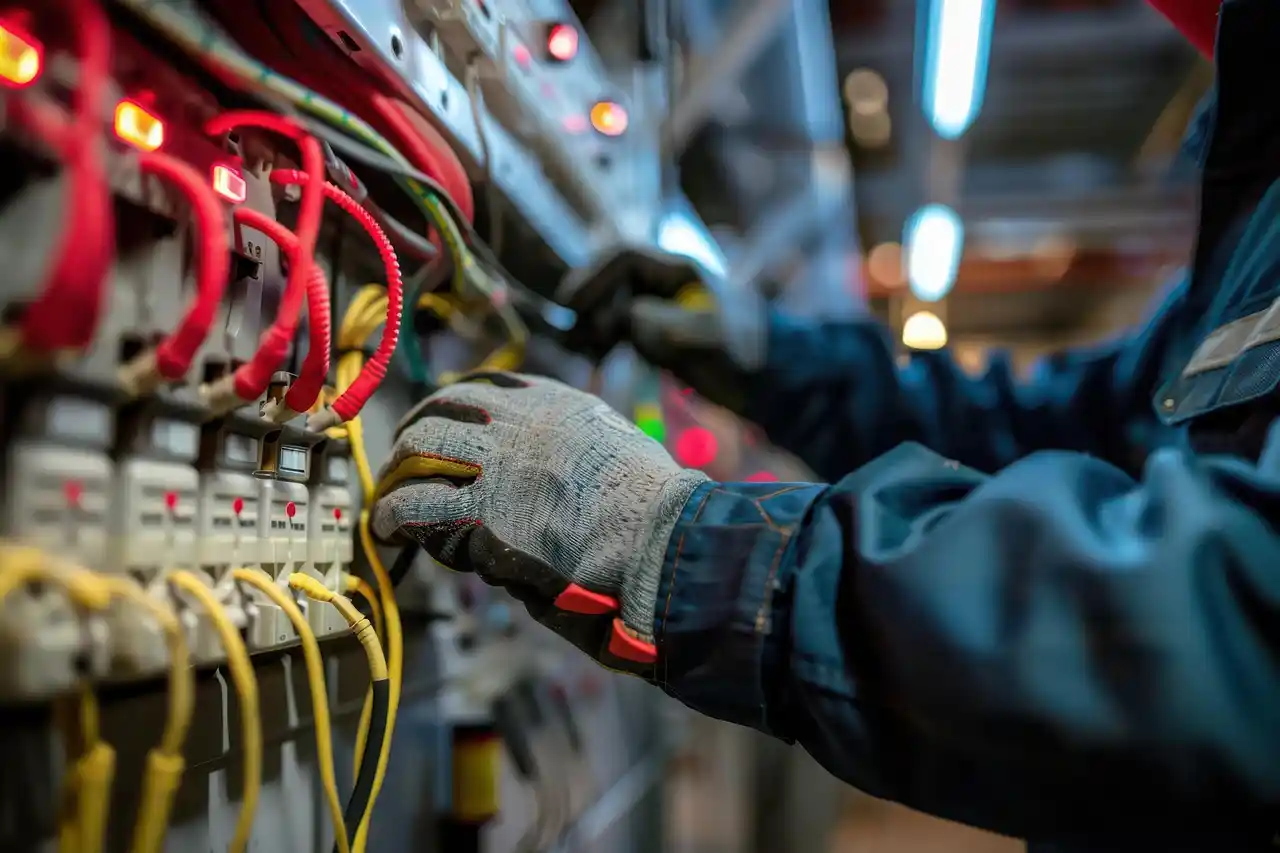
Workflow (Load Audit → Permit → Install → Inspection)
We follow a repeatable workflow. It reduces risk and prevents surprise costs.
Step 1 — Load audit
We review your panel, breaker space, and calculated demand. We confirm whether you need EVEMS or a capacity change.
If the numbers require more capacity, we route you here: Panel Upgrades
Step 2 — Permit filing
We prepare the installation plan and submit permit details through the City process. It keeps the project inspection-ready.
Step 3 — Installation and labelling
We install the EV branch circuit and EVSE. We set the charger to the approved ampacity.
If the EVSE is adjustable, we lock the setting and label the installation with a permanent warning. This prevents unsafe changes later.
Step 4 — City inspection
Inspection confirms compliance. It also creates the documentation you may need for rebates and insurance questions.
Service Areas Near Leduc
We install Level 2 charging in Leduc and nearby communities.
FAQs (EV Charger Query Templates)
Sometimes, yes. The safe answer depends on your load audit and whether you use EVEMS to manage total demand.
If you want Level 2 charging without a service upgrade, EVEMS is often the best path. Contact
Level 1 uses a standard household outlet and charges slowly. Level 2 uses 208/240V and charges much faster with a dedicated circuit.
Most homeowners choose Level 2 for daily reliability and shorter charging windows. Contact
Adjustable chargers can be turned up later and overload the circuit if the settings change. Alberta guidance requires a permanent warning label in applicable EVSE setups to prevent unsafe overloading.
We set the ampacity correctly and label it so the circuit stays safe year after year.
If you meet program conditions, the rebate can return up to $600 (or 50% of eligible costs, depending on program rules).
Eligibility usually requires a permitted, inspected installation by a qualified electrician. Contact
Book Your Level 2 EV Charger Install in Leduc
If you want faster charging without the risk of overheating, start with a load audit. We’ll recommend the safest path: hardwired, industrial-grade plug-in, or EVEMS load management.