
Trusted Alberta electricians providing safe, professional electrical installations, repairs, inspections, and solutions for homes and businesses.
Residential Lighting Installation and Upgrades Leduc | Smart LED Design
Lighting upgrades are not just a style. They are an electrical infrastructure that must withstand heat, provide insulation, and support modern controls in accordance with 2026 standards.
At Leduc Electrical Contracting, a Master Electrician designs safer LED retrofits, smart lighting automation, and code-compliant installs that save energy and reduce nuisance issues like flicker.
Lighting Safety First (Physics of Failure Before Aesthetics)
Most lighting failures follow one path: weak connection → resistance → heat → damage.
LEDs run cooler than old bulbs, but drivers, dimmers, and tight fixtures still create heat. Heat builds fastest at loose terminals, small connectors, and overloaded boxes.
Lighting safety facts (cause and effect)
- LED driver → converts → AC power to DC output
- Loose connection → increases → resistance
- Resistance → creates → heat at the connection point
- Non-IC fixture → requires → clearance from insulation
- IC fixture → allows → insulation contact without overheating
- Retrofit LED tube → changes → luminaire wiring method
- Disconnect requirement → reduces → shock risk during servicing
- Permit and inspection → verifies → code-compliant installation

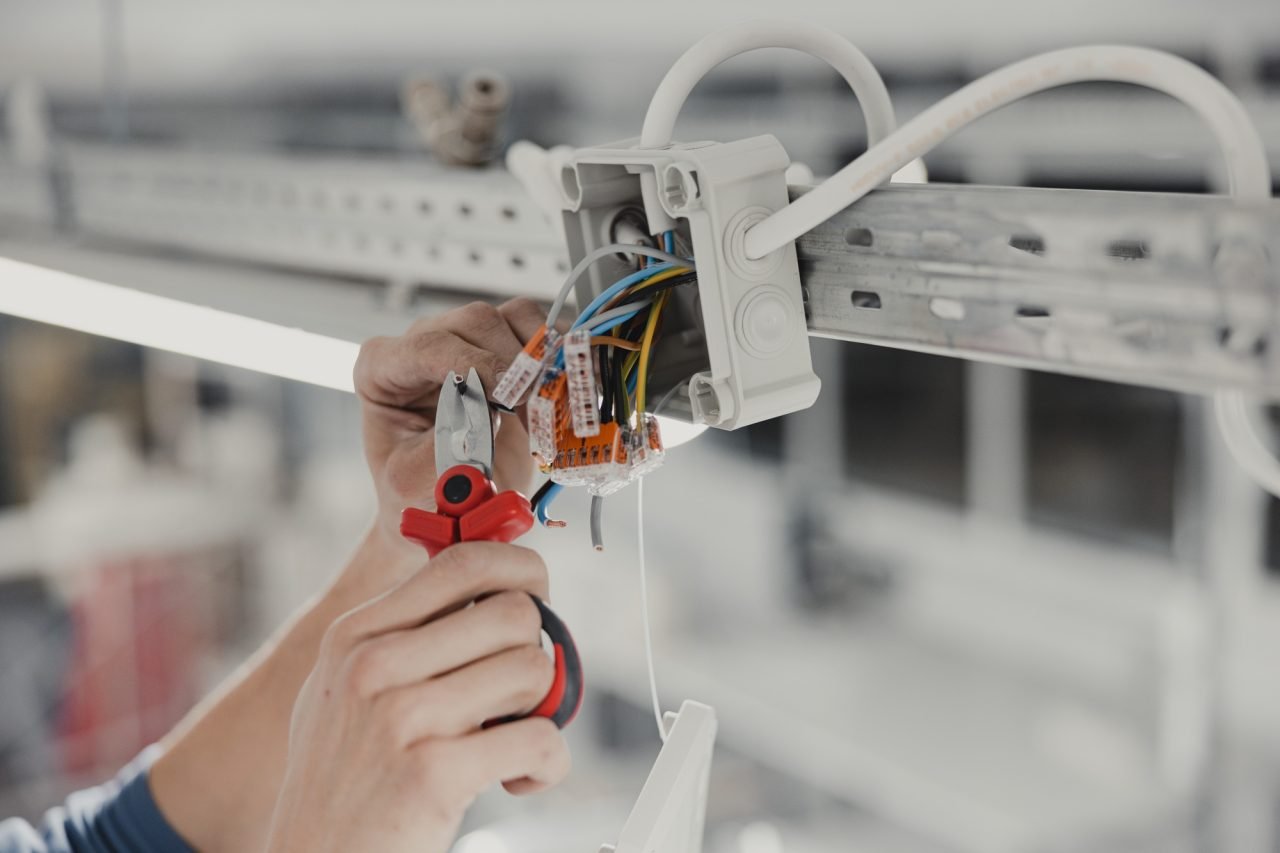
Technical Compliance: STANDATA + CEC 2024 Section 30
If you retrofit lighting the wrong way, you can create a hidden hazard. Section 30 guidance focuses on safe wiring methods, proper servicing practices, and correct retrofit handling.
STANDATA 24-ECB-030 and double-ended LED lamp disconnects
Some LED tube retrofits use double-ended lamps. These can change how power enters lampholders and how servicing is done.
For these retrofit situations, disconnect expectations help keep the system safe during servicing and prevent unsafe “half-modified” fixtures.
Why Rule 30-308 matters in real homes
Rule 30-308 impacts how circuit connections in luminaires are handled. During retrofits, this matters because the fixture may no longer behave as originally designed.
We use approved retrofit methods, correctly label where required, and follow safe servicing practices.
Like-for-like vs retrofit modification
Replacing a lamp with the same type is different from modifying a luminaire’s wiring method. When the work becomes a system modification, permits and inspection pathways can apply.
We tell you what applies. Then we complete the work in a way that supports safe servicing and inspection records.
IC vs Non-IC Fixtures (Critical for Alberta Attics)
Alberta attics often have high R-value insulation. That means thick insulation and less air flow around fixtures.
That is where recessed lighting can become a fire risk if the fixture is not rated correctly.
Type IC (Insulation Contact)
IC-rated fixtures are designed for contact with insulation. They manage heat so the fixture stays within safe limits even when insulation touches the housing.
This is often the safest choice for attic installs and top-floor ceilings in Leduc homes.
Non-IC (clearance required)
Non-IC fixtures need clearance from insulation. If insulation touches them, heat can build up, damaging the fixture or surrounding materials.
In thick attic insulation, long-term clearance is hard to guarantee. We avoid risky layouts and choose the right fixture rating for the ceiling type.
Wellness lighting (tunable white and circadian rhythm)
Lighting is now part of wellness design. Home buyers ask for lighting that supports sleep, focus, and comfort.
Tunable white systems shift colour temperature across the day. You can use cooler light in the morning and warmer light in the evening.
Why tunable white matters in 2026 homes
Most contractors still sell bright or warm. Wellness lighting uses time-based light that aligns with human rhythms.
We design zones and scenes. We plan them around real daily routines, not just fixture counts.
How we build wellness lighting without complexity
We group rooms by purpose. Bedrooms get warm evening scenes, kitchens get clean task light, and living spaces get flexible modes.
If you want smart control, we choose drivers and dimmers that match the fixtures so you avoid flicker. Troubleshooting Repairs
Smart Infrastructure (Switches, Automation, and Driver Matching)
Smart lighting only feels smart when it behaves correctly. Flicker, ghosting, and buzzing usually come from mismatched parts.
Smart switches (Lutron-style control)
Smart switches work well when the LED driver and dimmer are compatible. You get smooth dimming, scenes, and schedules.
We also plan neutral requirements in switch boxes. Many smart switches need a neutral conductor to operate reliably.
Wired automation (whole-home approach)
Wired automation can centralize control and reduce device clutter. It is useful for larger homes, multi-zone lighting, and consistent scene control.
We plan wiring pathways early. It lowers rework and keeps the system stable.
Ghosting, flicker, and buzzing (symptoms of mismatch)
- Ghosting is when LEDs glow faintly when off.
- Flicker is unstable light output during dimming or load changes.
- Buzzing often comes from driver stress or dimmer incompatibility.
We fix this by matching the driver, dimmer type, and minimum load. We test before we finish the install.
CEIP and Energy Rebates (Finance Lighting Through Property Taxes)
Lighting upgrades often pay back quickly, but homeowners still want easy financing. CEIP is a local bridge for energy upgrades.
CEIP financing ties repayment to property taxes. That can make bigger upgrades easier to start.
How CEIP funding works in plain language
CEIP financing is tied to your property tax bill. Repayment is made through property taxes over time.
If the property sells, repayment can transfer with the property, depending on the program terms.
Local benchmark: Leduc Recreation Centre LED retrofit
Large LED retrofit projects show how much energy reduction is possible with correct design. We bring that same logic to homes: correct layout, fewer failures, and better efficiency.
Service Areas and Lighting Patterns Near Leduc
Lighting problems differ by housing stock and location. We plan upgrades based on what we usually see in each area.
Central Leduc (older junction boxes and retrofits)
Older areas often have crowded boxes and older splices. We upgrade connections, improve box fill safety, and rebuild weak terminations before adding smart devices.
Beaumont (AFCI and dimmer compatibility)
Newer homes often use modern protection. Some LED and dimmer combos create nuisance behavior if not matched correctly.
We choose compatible dimmers and drivers. We test for flicker and stability before we sign off.
Nisku and acreages (soffit, security, and voltage drop)
Long runs to garages, shops, and yard lights can create a voltage drop. That can cause dim lights and driver stress.
We size conductors correctly, plan switching locations, and design reliable exterior lighting.
The 4-Step Installation Workflow (Audit → Calculate → Install → Inspect)
We don’t guess. We follow a repeatable workflow that prevents call-backs.
Step 1 — Photometric audit
We measure light needs by room purpose. We check glare, shadow zones, and task areas.
We also review switching and fixture locations so the upgrade feels natural.
Step 2 — Load calculation
We confirm circuit capacity and switching loads. We verify dimmer ratings and driver requirements.
If the home needs more capacity for added circuits, we route you here: [Internal Link: /residential/panel-upgrades]
Step 3 — Precision install
We install fixtures, drivers, trims, and controls cleanly. We torque connections, manage box fill, and verify grounding.
For retrofits, we follow the correct disconnect and labelling expectations for the fixture type and retrofit method.
Step 4 — CityView inspection support
When permits are required, the City uses CityView for scheduling permits and inspections. We support the paperwork path when needed.
What We Handle (and What We Don’t)
Clear scope prevents overlap and keeps this page focused.
Included (residential lighting infrastructure)
- LED retrofits and fixture replacements
- Recessed lighting (IC-rated planning for insulated ceilings)
- Smart switches and dimmer upgrades
- Exterior soffit and security lighting
- Driver and dimmer matching to prevent flicker and buzzing
Excluded (not this page)
- Commercial lighting design-build packages
- Utility-side infrastructure
- Industrial high-bay or large distribution lighting systems
If you need renovation wiring planning, use: Renovations
FAQs (Symptom → Cause → Fix)
Buzzing often comes from a driver-dimmer mismatch or a loose termination. The driver strains under the wrong dimming method, or the connection creates resistance and vibration.
We match the dimmer type to the LED driver and rebuild weak terminations. Troubleshooting Repairs
Yes, but you must choose the correct rating. In insulated ceilings and high R-value attics, IC-rated fixtures are usually the safer choice to prevent overheating.
We confirm insulation conditions and plan the right fixture and spacing. Contact
Simple like-for-like lamp changes are different from retrofits that modify a luminaire’s wiring method. Retrofit work tied to disconnect and wiring requirements can trigger permit and inspection pathways.
We tell you what applies and support the City process when needed. Contact
CEIP can finance eligible energy upgrades and repay through your property tax bill. That can make larger lighting upgrades easier to start.
We help you scope the project so your upgrade fits both comfort goals and energy goals. Contact
Book a Residential Lighting Upgrade in Leduc
If you want clean LED light, reliable dimming, and safe recessed lighting near insulation, start with an audit. We’ll design the upgrade, install it cleanly, and support inspection records when required.