
Trusted Alberta electricians providing safe, professional electrical installations, repairs, inspections, and solutions for homes and businesses.
Electrical Troubleshooting and Repair Leduc | Expert Diagnostics
Electrical problems can start small and escalate quickly. If you smell burning plastic, see smoke, or hear buzzing at the panel, treat it as an urgent issue.
At Leduc Electrical Contracting, a Master Electrician leads fault detection, hazard mitigation, and safe system restoration. We find the root cause, fix it in the code, and leave clear documentation.
Diagnostic Matrix (Symptom → Root Cause → Master Electrician Fix)
Use this guide to understand what might be happening. We confirm the cause with testing before we repair anything.
Symptom mapping list (fast scan)
- Burning smell / hot outlet → loose termination, arc tracking, overload → isolate circuit, inspect, re-terminate, replace damaged device, verify with load test
- Flickering lights (multiple rooms) → loose neutral, bad connection at panel or meter base, failing splice → voltage drop analysis, neutral integrity test, re-torque/repair terminations
- Breaker trips when microwave runs → shared circuit overload, inrush current, weak breaker → circuit load audit, dedicated circuit plan, replace breaker if failing
- Buzzing dimmer or switch → loose neutral, incompatible dimmer/LED, arc at device → inspect device box, correct wiring, replace dimmer, test for heat
- Dead outlets / partial power loss → open hot, open neutral, failed backstab, failed GFCI upstream → circuit isolation, continuity testing, restore and label
- GFCI won’t reset → real ground fault, moisture, damaged cable → locate fault path, replace device if needed, correct the root cause
- AFCI nuisance trips → arc signature confusion, shared neutral, loose connection → isolate circuit, inspect terminations, correct MWBC issues, retest
- Bulbs burn out fast → high voltage, loose neutral, heat in fixture → voltage checks under load, neutral repair, fixture inspection.
Warm breaker / warm panel cover → overload, loose lug, degraded breaker → thermal scan, torque verification, breaker/panel repair, capacity review

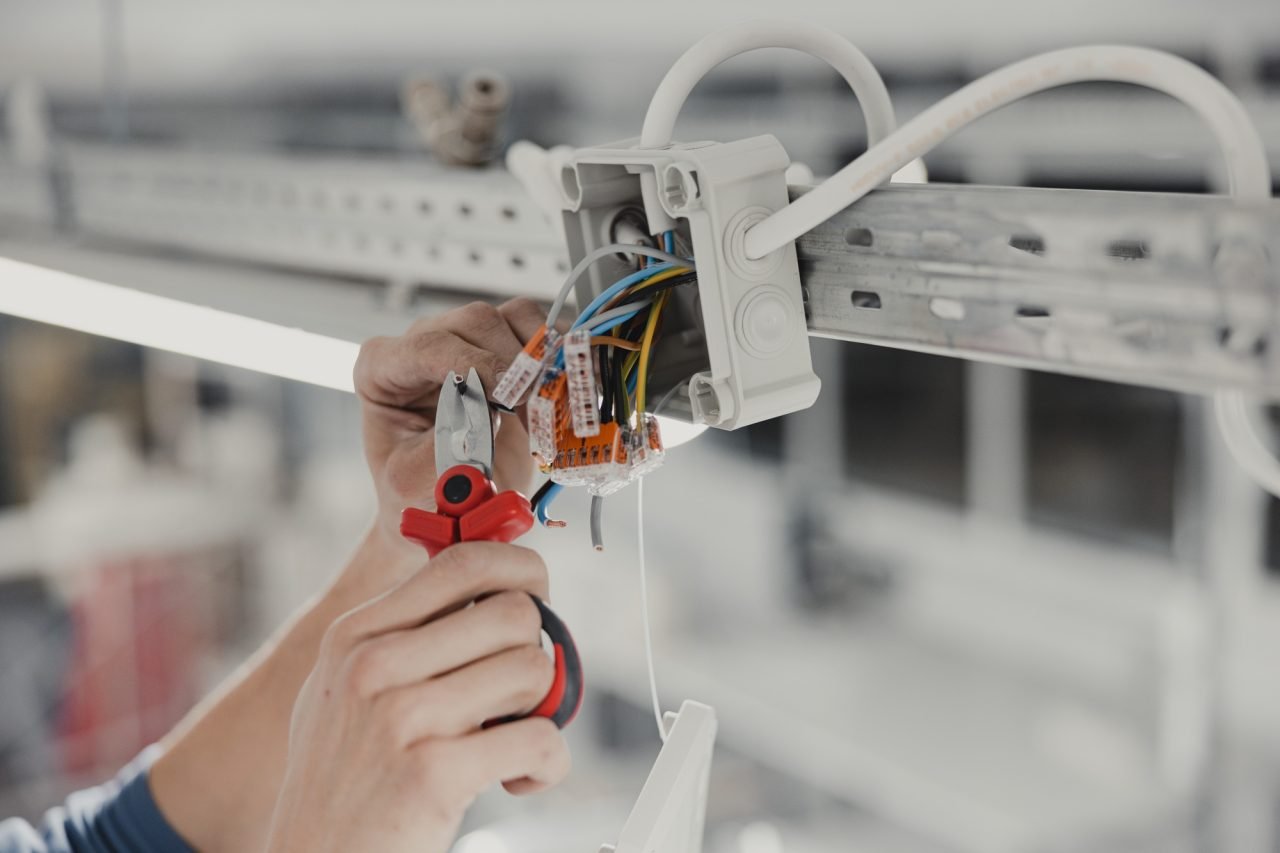
Safety First: Burning Smell, Heat, and Buzzing Are Not “Wait and See”
A warm outlet, a burning smell, or buzzing sounds often mean resistance is turning electricity into heat.
Heat can damage insulation and devices. If you notice heat or smell burning, stop using the circuit and call for a diagnostic visit.
If the issue is at the breaker box: route to capacity checks: Panel Upgrades
Physics of Failure: Heat and Loose Connections
Electrical failures usually follow one pattern: loose connection → resistance → heat → damage.
A connection can look “fine” for years. Then, as heat cycles slowly reduce contact pressure, the failure shows up as flicker, heat, or trips.
Why connections fail over time
Every time a circuit warms up, metal expands. When it cools, metal contracts. That cycle can loosen weak terminations.
When contact pressure drops, resistance rises. Resistance generates more heat, accelerating failure.
Backstabbed Wiring: The Silent Risk in 2000–2015 Homes
Many homes built in the 2000–2015 period used fast-wiring methods at receptacles. “Backstab” (push-in) connections save time, but they can become a weak point after years of heat cycling.
Push-in vs side-wire (what changes in the connection)
- Push-in/backstab uses a spring clip to hold the conductor.
- Side-wire uses a screw terminal and a stronger mechanical clamp when done correctly.
Side-wire terminations usually hold pressure better over time. That can reduce resistance and heat at outlets and switches.
Signs a backstabbed connection is failing
- One outlet is dead, but others nearby still work
- Lights flicker when you plug something in
- The outlet feels warm, or devices run hot
- You see discoloration on the receptacle face
If we find backstab failures, we rebuild the connection using proper terminations and test under load.
Flickering Lights and Voltage Drop (Loose Neutral Problems)
Flickering lights can be a small device issue, but whole-home or multi-room flicker often points to a voltage drop or a loose neutral.
A neutral problem can create unstable voltage. That can shorten bulb life and stress electronics.
What voltage drop analysis tells us
We measure voltage at key points while the loads run. If the voltage shifts sharply when a dryer, microwave, or AC starts, we look for weak connections.
We check neutral integrity at the panel, critical splices, and terminations. We repair the fault, then retest under load.
Nuisance Tripping, AFCI/GFCI, and Real Faults
Modern homes use AFCI and GFCI protection to reduce the risk of shock and fire. Sometimes these devices trip for real reasons. Sometimes they trip due to the wiring layout or device behavior.
Phantom tripping vs real faults
Phantom tripping can come from shared neutrals, wiring mistakes, or sensitive devices. Real faults include arc tracking, moisture paths, insulation damage, and failing devices.
We treat every trip as real until testing proves otherwise.
Inrush current and arc tracking (two common causes)
Inrush current is the surge at startup from motors and microwaves. It can trip weak breakers or overloaded circuits.
Arc tracking is a dangerous fault path where damaged insulation creates micro-arcs that AFCI devices detect. We correct the fault so the protection stops tripping for the right reason.
What We Fix (and What We Don’t)
We focus on residential diagnostics and restoration.
Included (residential troubleshooting and repairs)
- Partial power loss and dead circuit restoration
- Flickering lights and voltage stability issues
- Buzzing dimmers, warm outlets, and burning smell investigations
- Breaker trips, AFCI/GFCI problems, and circuit overload fixes
- Connection rebuilds (proper terminations) and labelling
Excluded (not this page)
- Appliance internal circuitry (inside the microwave, furnace, dryer, etc.)
- Utility-side lines and equipment (Fortis-owned side)
- New construction rough-ins and full build wiring
If you need renovation wiring planning, use: Renovations
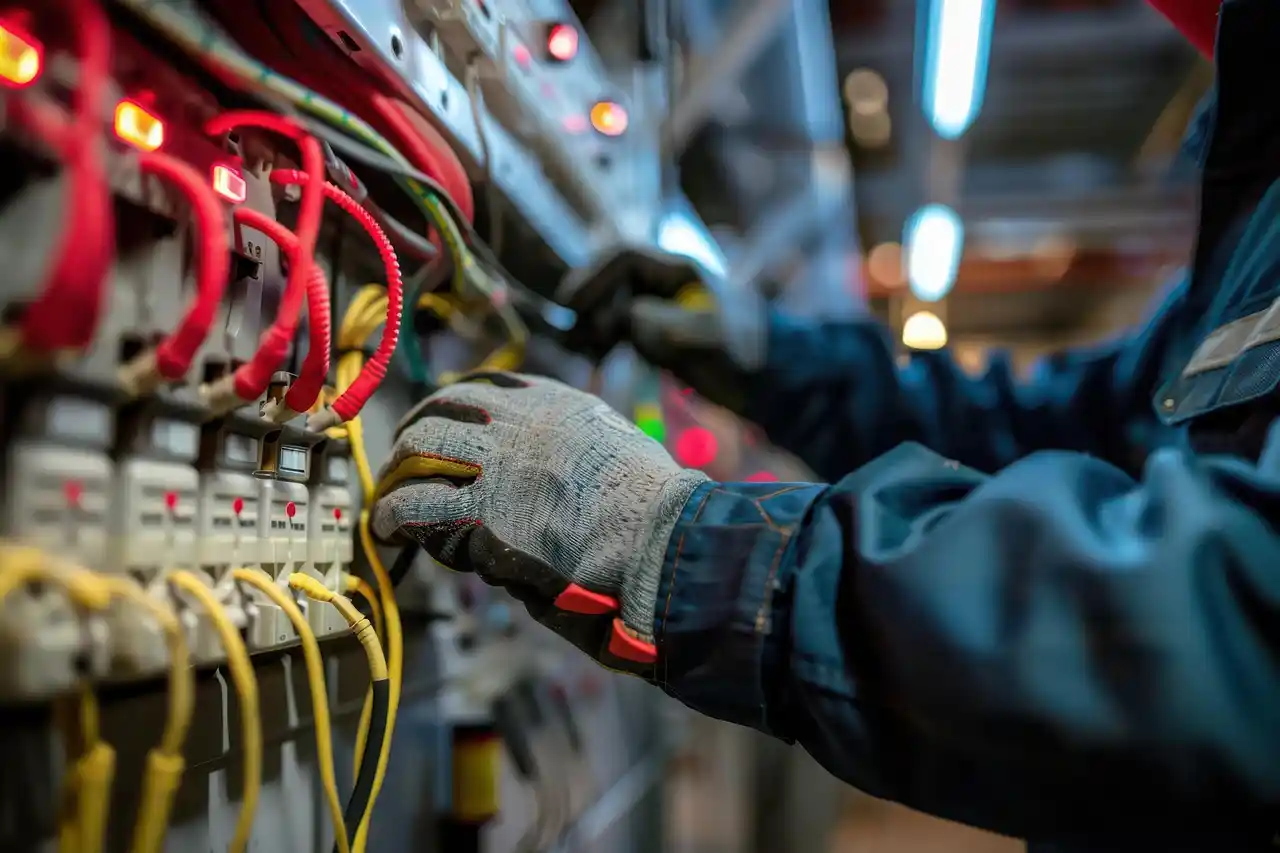
The 4-Step Diagnostic Workflow (Forensic to Fix)
We follow a repeatable process so we don't guess.
Step 1 — Forensic interview
We ask what changed, when it started, and what loads were running. Patterns point to fault paths likely.
Step 2 — Circuit isolation
We isolate the circuit to reduce risk and narrow the fault. It prevents random repairs that miss the real cause.
Step 3 — Multimeter testing
We test voltage, continuity, polarity, and neutral integrity. We confirm load behavior when needed.
Step 4 — Code-compliant repair
We repair terminations, replace damaged devices, and restore safe function. Then we retest under load and label the circuit changes.
Permits in Leduc: Like-for-Like vs Changes
Some repairs are like-for-like, meaning you replace a device with the same type and rating. Some repairs require a system change, such as adding circuits or changing protection types.
Alberta safety rules can treat these differently. In Leduc, permits and inspections may apply when work changes the system.
CityView Portal and inspection records
The City of Leduc uses a portal process for permits and inspections. When a permit is required, the inspection record helps with resale and insurance questions.
Leduc Service Areas: Local Patterns We See
We work across Leduc and nearby communities. Different housing stock shows different patterns.
Leduc homes: common failure patterns
Older bungalows in central Leduc often show tired connections at outlets and older device boxes. We commonly find loose terminations and overloaded general circuits.
Beaumont: AFCI and device compatibility issues
Newer homes can still experience nuisance AFCI trips due to shared neutrals or device compatibility issues. We focus on isolation and correct wiring layout.
Devon: mixed wiring from older renovations
Homes with older renovations can hide mixed wiring methods. We confirm terminations and grounding paths before we restore circuits.
Nisku: shop loads and capacity stress
Acreage and shop setups often add load over time. We check circuit capacity and recommend safer distribution when loads increase.
FAQs (Symptom-Based Query Templates)
Microwaves draw a high load and can create inrush current at startup. If the circuit also feeds other outlets, it can overload and trip.
We confirm circuit load and recommend the correct fix, often a dedicated circuit or a corrected breaker/circuit layout. Renovations
Yes, it can be. Warmth often means resistance at the connection, and resistance creates heat.
We inspect the device box, rebuild terminations, and test under load to confirm the heat is gone. Contact
Fast bulb failure can come from heat in the fixture, unstable voltage, or a loose neutral. A loose neutral can create voltage swings that shorten bulb life.
We run voltage checks under load and repair the neutral path if needed. Contact
Some like-for-like replacements may not require a permit, while system changes often do. We explain what applies to your situation and follow the safe path.
If a permit is required, we help you navigate the City process. Contact
Book Diagnostic Service in Leduc (Safe Power, Restored)
If you have flicker, heat, trips, buzzing, or partial power loss, don’t guess. We’ll find the root cause and restore safe operation.