
What to Do If Your Circuit Breaker Keeps Tripping
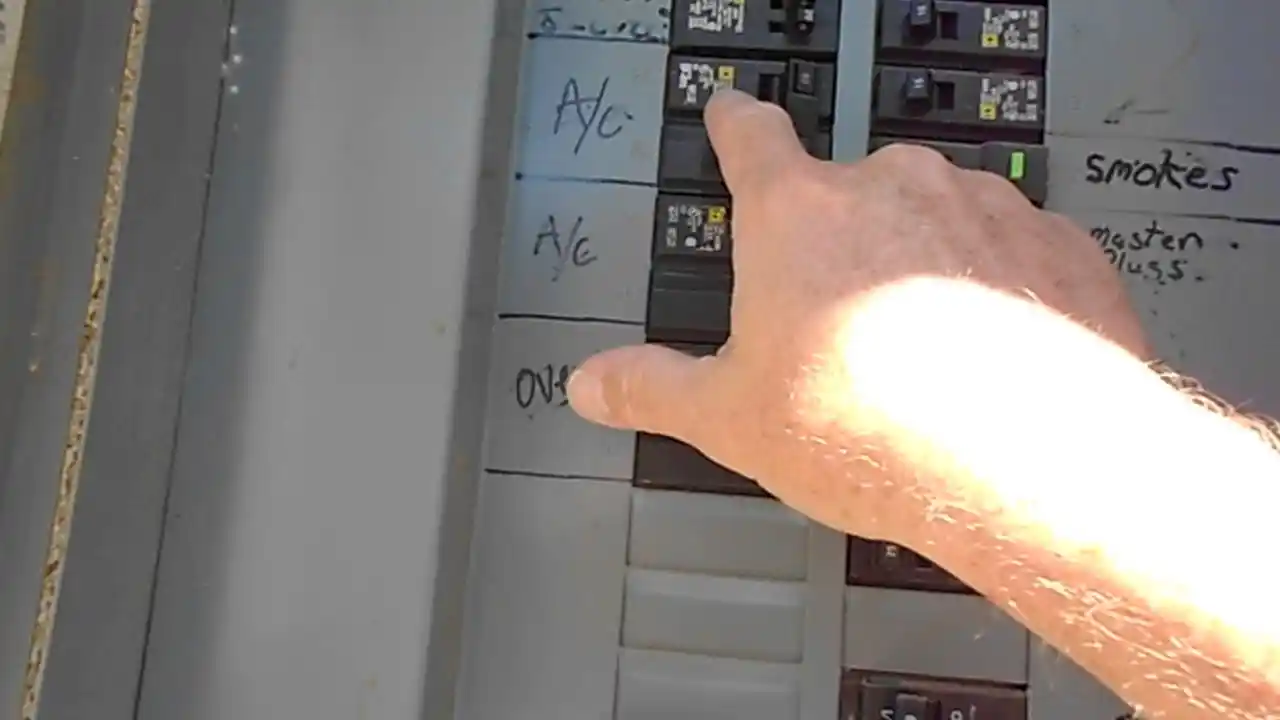
A breaker that trips once in a while is normal. A breaker that keeps tripping every day is not. If you live in Leduc, Beaumont, Devon, or anywhere nearby and your power keeps cutting out, something in your electrical system needs attention. This guide explains why breakers trip, what you can safely check yourself, and when to call a licensed electrician. The team at Leduc Electrical Contracting has handled this exact problem in homes across the region for years, so we know how to find the cause fast and fix it safely.
Why Does a Circuit Breaker Trip in the First Place?
A circuit breaker trips to stop an electrical fire before it starts. It works as a safety switch inside your electrical panel. When too much current flows through a wire, the breaker senses the heat buildup and cuts the power right away. This protects your wiring, your appliances, and your home.
Most homeowners never think about a breaker until it stops behaving normally. Once it starts tripping often, the circuit is under more stress than it can handle, or a part of the system has failed.
Common Causes of a Circuit Breaker That Keeps Tripping
Several problems can make a breaker trip again and again. Here is what our troubleshooting and repair team finds most often during service calls in Leduc and Devon homes.
Circuit Overload
An overloaded circuit is the most common cause. This happens when too many devices run on one circuit at the same time. Space heaters, hair dryers, and kitchen appliances all draw heavy current. If several of these run together on a single circuit, the breaker trips to stop the wires from overheating. Try spreading high draw devices across different circuits and see if the tripping stops.
Short Circuit
A short circuit happens when a hot wire touches a neutral wire. This creates a sudden surge of current. The breaker trips right away, often with a popping sound. Short circuits can happen inside outlets, switches, or appliance cords. This is not something to fix yourself. Wiring problems hidden inside a wall need a licensed electrician.
Ground Fault
A ground fault happens when a hot wire touches a grounded surface, such as a metal outlet box or an appliance casing. Like a short circuit, this sends excess current through the system and trips the breaker fast. Ground faults show up often in damp areas like bathrooms, garages, and basements. That is why these rooms usually have GFCI outlets built in.
Old or Worn Breaker
Breakers wear out over time. Heating and cooling from years of regular use weaken the internal spring and contacts. A worn breaker can trip under a completely normal load, even when nothing else is wrong. If your panel is original to a home built decades ago, a worn breaker is a real possibility.
Aluminum Wiring
Many homes built in Leduc and Devon during the 1960s and 1970s used aluminum wiring instead of copper. Aluminum expands and contracts more than copper. This movement loosens connections at outlets and breakers over time. Loose connections generate heat, and that heat can trip a breaker or create a fire risk. If you are not sure what type of wiring runs through your home, our aluminum wiring inspection service can confirm it.
A Faulty Appliance
Sometimes the breaker works exactly as it should, and the real problem is one appliance. A refrigerator, microwave, or space heater with an internal fault can pull excess current or short out internally. Unplug the appliance you suspect and reset the breaker. If the tripping stops, you have found your answer.
How to Reset a Tripped Breaker Safely
Follow these steps to reset a breaker on your own.
- Turn off or unplug the devices on the affected circuit first.
- Open the panel door and find the breaker sitting in the middle position, not fully off.
- Push the breaker firmly to the OFF position, then switch it back to ON.
- Turn your devices back on one at a time.
- Watch for the breaker tripping again right away.
If the breaker trips again as soon as you reset it, stop. Do not keep resetting it. This usually points to a short circuit or a ground fault. Repeated resets without fixing the cause can damage the panel or start a fire.
When a Tripping Breaker Is an Emergency
Some signs mean you should stop troubleshooting and call an electrician right away.
- A burning smell near the panel or an outlet
- Scorch marks or discoloration on a breaker or outlet
- A breaker or panel that feels warm to the touch
- Buzzing or crackling sounds from the panel
- Sparks when you plug something in
- A breaker that will not reset at all
Any of these signs point to a wiring problem that needs immediate attention. Call Leduc Electrical Contracting at (587) 801-1440 if you notice any of them. Waiting can turn a small electrical problem into a house fire.
Why Do Older Homes in Leduc and Devon Trip Breakers More Often?
Older homes, built before the 1980s, needed far less electrical capacity. Back then, a house ran a furnace, a stove, and a few lights, not much else. Today, that same home might run central air conditioning, a hot tub, an EV charger, several TVs, and a kitchen full of appliances. The original panel never had the capacity for that much demand.
This shows up often in older parts of Leduc, Devon, and Beaumont, where many homes still run on a 60 amp or 100 amp panel. When demand on the system grows faster than the panel’s capacity, breakers trip more often. This is a warning that the system has reached its limit.
When to Consider a Panel Upgrade
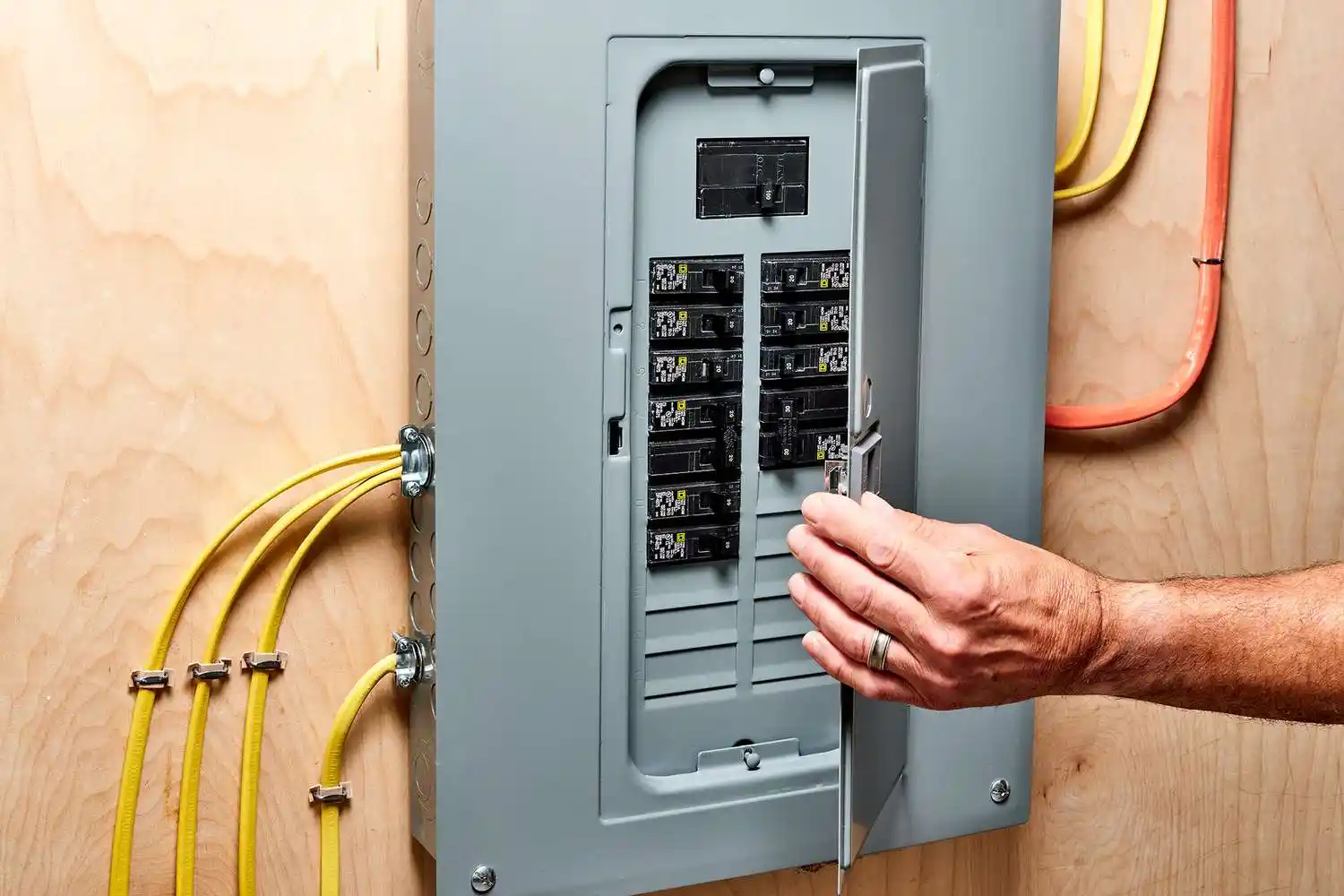
If your breaker trips often, even after you spread out your appliances, an outdated panel may be the real problem. A panel upgrade raises your home’s total capacity so daily use does not push the system past its limit.
This step matters even more if you are planning to add an EV charger or a hot tub. Both need a dedicated circuit with enough amperage to run safely. Our guide on 100 amp vs 200 amp panels explains what each size supports and how to tell which one your home needs.
How to Prevent Future Breaker Trips
A few simple habits lower the odds of a repeat problem.
- Spread heavy draw devices, such as space heaters and hair dryers, across different circuits.
- Skip extension cords for anything permanent. Regular extension cord use usually means you need more outlets or another circuit.
- Test GFCI outlets once a month using the test and reset buttons.
- Book a home electrical inspection every few years, especially once your home passes the 20 year mark.
- Have a professional check your panel before you add a hot tub, EV charger, or other large appliance.
Small steps like these catch minor problems before they turn into a breaker that trips every week.
Why Homeowners and Businesses Choose Leduc Electrical Contracting
Leduc Electrical Contracting is a licensed and certified electrical contractor serving Leduc, Beaumont, Devon, Nisku, Sherwood Park, South Edmonton, and all of Leduc County. Our electricians handle both residential and commercial electrical systems, from a single tripped breaker to a full panel replacement.
We show up on time, explain what we find in plain language, and give you a clear price before any work starts. You can see finished jobs in our project gallery or check our licenses and certifications before you book a visit.
We are open six days a week, Monday through Saturday, from 8 am to 6 pm.
Frequently Asked Questions
A breaker that trips repeatedly is not dangerous by itself. It is doing its job by cutting power before a wire overheats. The danger comes from ignoring the cause. If you keep resetting the breaker without finding out why, the underlying problem stays unresolved and can eventually start a fire.
You can safely reset a breaker and unplug suspect appliances to test a circuit. A licensed electrician should handle repairs inside the panel, rewiring, and breaker replacement. In Alberta, panel work needs a permit and a licensed electrician. This keeps you safe and keeps your home insurance valid.
One trip during a storm or after plugging in a heavy appliance is normal. If the same breaker trips more than once a week, or trips again as soon as you reset it, that is a sign of a real problem that needs an inspection.
No. A surge protector guards your equipment against voltage spikes, but it will not stop a breaker from tripping because of an overload or a short circuit. These are two different problems. Our surge protection installation service protects sensitive electronics, while fixing the wiring issue solves the tripping itself.
Not always. Many tripping problems come from one overloaded circuit or a faulty appliance. Neither needs a full panel upgrade. However, some cases need more than a quick fix. If several breakers trip often, or your panel is more than 25 years old, a panel upgrade is usually the safer long-term choice. Our guide on installing an EV charger on a 100 amp panel walks through how to tell if your panel needs more capacity.
Contact Leduc Electrical Contracting for Breaker Repairs
A breaker that keeps tripping is your electrical system asking for help. Whether the cause is a simple overload or a panel that has reached the end of its life, Leduc Electrical Contracting can find the exact cause and fix it right the first time.
We serve Leduc and the surrounding communities, from Devon to Sherwood Park, six days a week. Call(587) 801-1440 or book an inspection online to stop guessing why your power keeps cutting out. You can also see the full list of areas we serve near Leduc.