
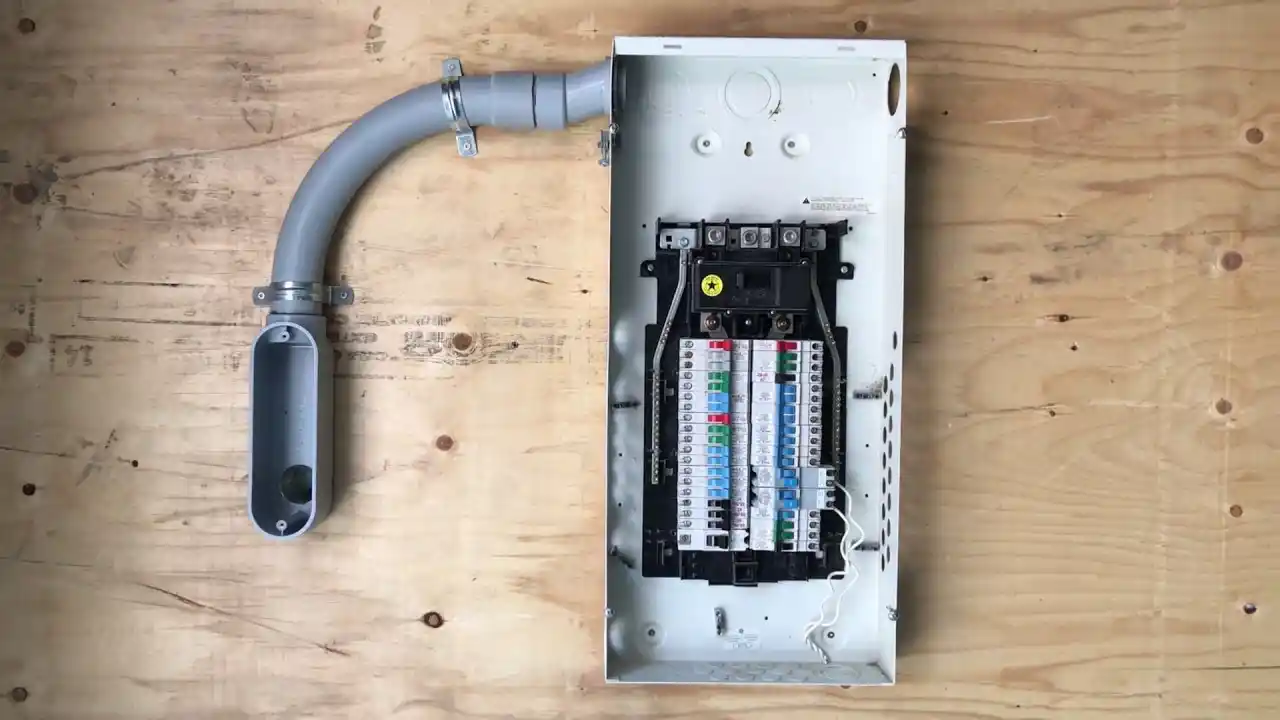
Electrical Panel Upgrade in Leduc: 100 Amp vs. 200 Amp Panels, Load Capacity, and Warning Signs
Your electrical panel controls the power in your home.
It sends electricity to your lights, outlets, kitchen appliances, furnace, air conditioner, garage, basement, laundry room, and EV charger. When your panel has enough capacity, your home can run safely and smoothly.
When it does not, problems can start.
Breakers may trip. Lights may flicker. Outlets may stop working. The panel may feel warm. You may also find that your home does not have enough power for a renovation, hot tub, garage heater, air conditioner, or EV charger.
That is when you may need an electrical panel upgrade in Leduc.
This guide explains the difference between a 100 amp panel and a 200 amp panel, how load capacity works, which warning signs to watch for, and when to call a licensed electrician.
Quick Answer: 100 Amp vs. 200 Amp Panel
A 100 amp panel may be enough for a smaller home with modest power use. A 200 amp panel gives your home more capacity for modern appliances, EV charging, air conditioning, hot tubs, renovations, garage loads, and future circuits.
Here is the simple comparison:
| Feature | 100 Amp Panel | 200 Amp Panel |
| Theoretical Power | About 24 kW at 240 volts | About 48 kW at 240 volts |
| Best For | Smaller homes with lower electrical demand | Modern homes, larger homes, and future upgrades |
| EV Charger Readiness | May be limited and needs a load review | Usually better suited for Level 2 charger planning |
| Breaker Space | Often more limited | Usually more room for dedicated circuits |
| Renovation Flexibility | May be tight for basements, kitchens, garages, or additions | Better for added circuits and long-term planning |
| Common Concern | Can become overloaded as demand grows | Larger project scope, but more available capacity |
The 24 kW and 48 kW numbers are simple math. They do not replace a proper load calculation. Your actual home needs must be checked by a qualified electrician before making a safe decision.
For direct service help, visit electrical panel upgrades.
What Does an Electrical Panel Do?
Your electrical panel is the main distribution point for power in your home.
Each breaker controls a circuit. One breaker may control bedroom outlets. Another may control kitchen plugs. Another may serve your dryer, stove, air conditioner, garage, basement, or EV charger.
The panel also helps protect your home. If a circuit draws too much power, the breaker should trip. This helps stop overheating and electrical damage.
A panel may need attention when it is:
- Too small for your home’s electrical demand
- Out of breaker space
- Old or damaged
- Not suited for a planned upgrade
- Struggling with modern electrical loads
- Poorly labeled
- Showing signs of heat, buzzing, rust, or wear
If your home already has electrical problems, book electrical troubleshooting and repairs before the issue gets worse.
100 Amp vs. 200 Amp Panels: What Is the Real Difference?
The main difference is available capacity.
A 100 amp panel can support less electrical demand than a 200 amp panel. A 200 amp panel gives your home more room for appliances, circuits, equipment, and future upgrades.
Think of it like a road.
A small road works when traffic is light. But once more vehicles use it, traffic slows down. Your panel works in a similar way. A smaller panel may work for a smaller home with fewer power needs. But it may not be enough for a larger home or a home with modern electrical demands.
A 200 amp panel does not mean you use more power all the time. It means your electrical system has more available capacity when your home needs it.
When a 100 Amp Panel May Be Enough
A 100 amp panel may still be enough for some homes.
It may work if the home is smaller and does not have many high-demand electrical loads.
A 100 amp panel may be enough when:
- The home is small or modest in size
- There is no EV charger
- There is no hot tub
- There is no large garage load
- There is no major renovation planned
- There are fewer large electric appliances
- Breakers are not tripping often
- The panel is not full
- The panel is in safe condition
- A load review confirms enough capacity
A 100 amp panel is not automatically a problem.
The real question is simple:
Can your current panel safely support your home’s actual electrical demand?
If you are unsure, ask a licensed electrician to check the panel and complete a load review.
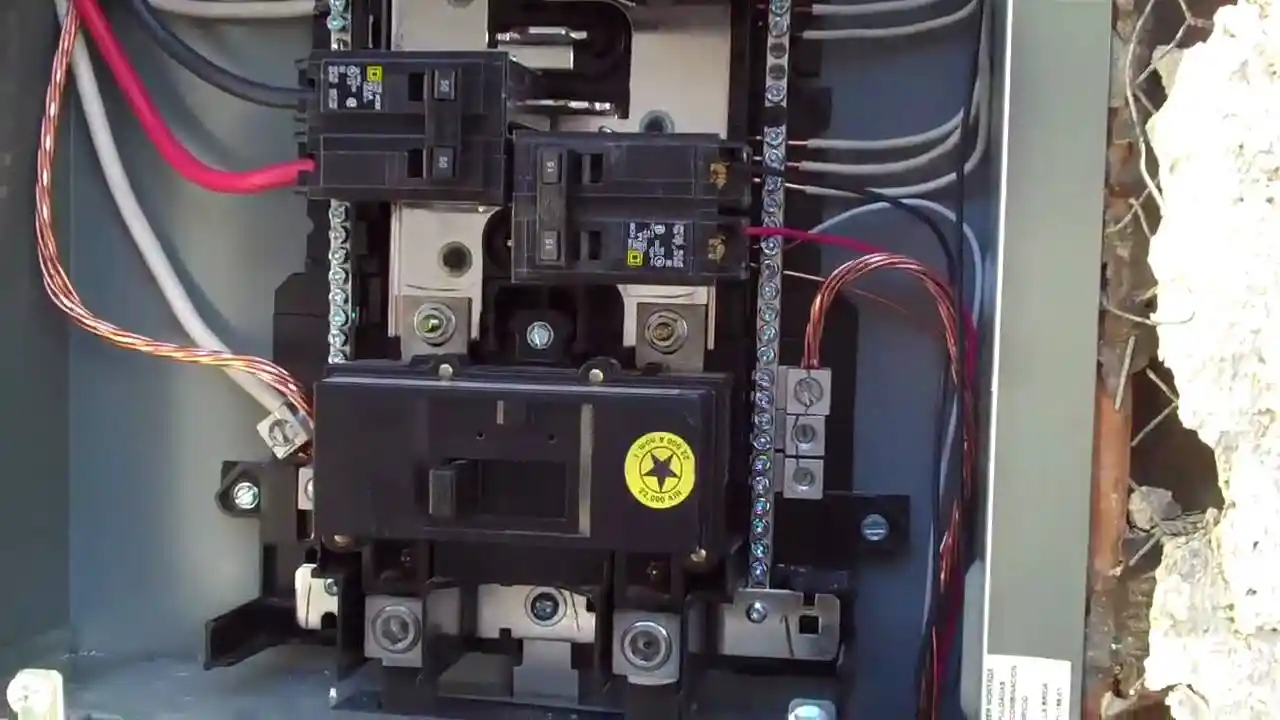
When a 200 Amp Panel May Be the Better Choice
A 200 amp panel gives your home more electrical capacity.
It may be the better choice if your home has higher power needs now or may need more power in the future.
A 200 amp panel may be recommended if you are adding or already have:
- An EV charger
- A hot tub
- A garage heater
- A finished basement
- A home addition
- A large kitchen renovation
- Air conditioning
- Electric heating equipment
- More major appliances
- Workshop tools
- More dedicated circuits
- A secondary suite
- A larger overall electrical load
A 200 amp upgrade can also help if your current panel is full and you need more room for safe, properly planned circuits.
If you are planning vehicle charging, review EV charger installation before choosing your charger.
What Is Load Capacity?
Load capacity means how much electrical demand your home can safely handle.
Your home’s electrical load may include:
- Lights
- Outlets
- Fridge
- Stove
- Dishwasher
- Dryer
- Furnace
- Air conditioner
- Microwave
- Sump pump
- Garage circuits
- Basement circuits
- Hot tub
- EV charger
- Home office equipment
- Workshop tools
A licensed electrician should not guess whether your panel has enough capacity. They should review your existing panel, service size, circuits, and planned electrical loads.
This is often called a load calculation or load review.
A load review helps answer one key question:
Can your current electrical system safely support what you want to add?
If the answer is no, you may need a panel upgrade, a service upgrade, load management, or another safe solution.
Panel Upgrade vs. Service Upgrade
Many homeowners use these terms together, but they are not always the same.
A panel upgrade usually means replacing or improving the electrical panel.
A service upgrade may involve increasing or changing the electrical supply to the home. This can include service equipment, the meter area, service conductors, grounding, bonding, and utility coordination.
In simple terms:
- A panel upgrade changes the panel.
- A service upgrade changes or increases the home’s electrical supply.
- Some projects need both.
For example, replacing an old panel with a newer panel may not increase your available capacity if the service to the home is still limited.
That is why a proper assessment matters.
A licensed electrician can tell you whether you need a panel replacement, a full service upgrade, load management, or a different repair.
Local Utility Coordination in Leduc
Some panel projects are simple. Others involve more than the panel itself.
If your home is moving from 100 amp service to 200 amp service, the project may involve the service entrance, meter area, utility connection, grounding, and inspection process.
In Leduc, some service upgrade projects may require coordination with the local electric distribution provider.
This is especially important if your home has:
- An overhead service mast
- Underground electrical service
- An older meter base
- A larger service-size change
- Utility-side work
- A planned outage
- Inspection requirements
You do not need to manage all of this alone.
A qualified electrical contractor can explain what part of the panel work is, what may involve utility coordination, and what must be ready before the power is safely reconnected.
Do Panel Upgrades Need a Permit in Leduc?
Many panel upgrades, service changes, new circuits, and major electrical alterations may require an electrical permit.
Permit needs depend on the work being done.
A professional electrician should explain whether your project needs a permit and who is responsible for it. This should be discussed before the work begins.
Permit-ready work can help protect:
- Your home
- Your insurance record
- Future resale
- Inspection results
- Electrical safety
- Project documentation
In Leduc, permit and inspection tracking may involve the CityView process for building and trade permits. If your property is outside the City of Leduc, the permit path may be different.
A qualified electrician should explain the correct process for your location.
You can also review the company’s verified electrical credentials before booking a larger electrical project.
Warning Signs Your Electrical Panel Needs Attention
Do not ignore panel problems.
Some warning signs may seem small at first, but they can point to bigger electrical risks.
Call an electrician if you notice:
- Breakers trip often
- Lights flicker or dim
- The panel feels warm
- You hear buzzing from the panel
- There is a burning smell
- Breakers will not reset
- Outlets stop working
- You use extension cords often
- The panel is full
- The panel is rusty or damaged
- Breakers are not labeled clearly
- You have old or unsafe wiring concerns
- You are adding a major appliance
- You are planning a renovation
- You are installing an EV charger
If you see smoke, fire, or immediate danger, leave the area and call emergency services first.
For non-fire electrical issues, contact a qualified electrician as soon as possible.
Frequent Breaker Trips: Does That Mean You Need a Panel Upgrade?
Not always.
A breaker can trip for several reasons.
The cause may be:
- Too many devices on one circuit
- A faulty appliance
- Damaged wiring
- A short circuit
- A ground fault
- A worn breaker
- An overloaded circuit
- A panel with limited capacity
This is why troubleshooting matters.
If one breaker trips once, it may be a simple issue. If breakers trip often, or several areas of the home are affected, the electrical system needs to be checked.
Do not keep resetting a breaker again and again without knowing why it tripped.
A breaker is a safety device. If it keeps tripping, it is warning you that something needs attention.
Flickering Lights and Dimming Lights
Lights can flicker for small reasons, such as a loose bulb.
But if lights dim when the furnace, air conditioner, microwave, fridge, or other appliance starts, the issue may be more serious.
Flickering or dimming lights can point to:
- Loose connections
- Overloaded circuits
- Aging wiring
- Panel issues
- Service capacity limits
- Large appliances drawing power
- Faulty devices
If flickering happens often or affects several rooms, book an electrical inspection.
Do not ignore repeated dimming or flickering. It may be a sign that your electrical system needs repair, load management, or a panel upgrade.
Warm Panel, Buzzing Sound, or Burning Smell
Some warning signs need fast action.
Call an electrician right away if your panel feels warm, smells like burning plastic, makes buzzing sounds, or shows signs of scorching.
These symptoms may point to overheating, loose connections, damaged breakers, overloaded circuits, or unsafe equipment.
Do not open the panel yourself.
Do not keep resetting breakers.
Do not wait to see if the issue goes away.
If you see smoke or fire, leave the area and call emergency services first. For urgent electrical concerns without fire, contact a qualified electrician quickly.
Do You Need a Panel Upgrade Before Installing an EV Charger?
Maybe.
An EV charger can add a major load to your home. Some homes can support an EV charger with the existing panel. Other homes need a panel upgrade, service upgrade, or load management system.
Before installing an EV charger, an electrician should check:
- Current panel size
- Available capacity
- Existing major loads
- Breaker space
- Charger requirements
- Service size
- Wiring path
- Permit needs
- Load management options
A 100 amp panel does not always mean an EV charger is impossible. But it does mean the system must be checked carefully.
To learn more, read Do I Need a Panel Upgrade Before Installing an EV Charger? and Can I Install an EV Charger on a 100 Amp Panel?.
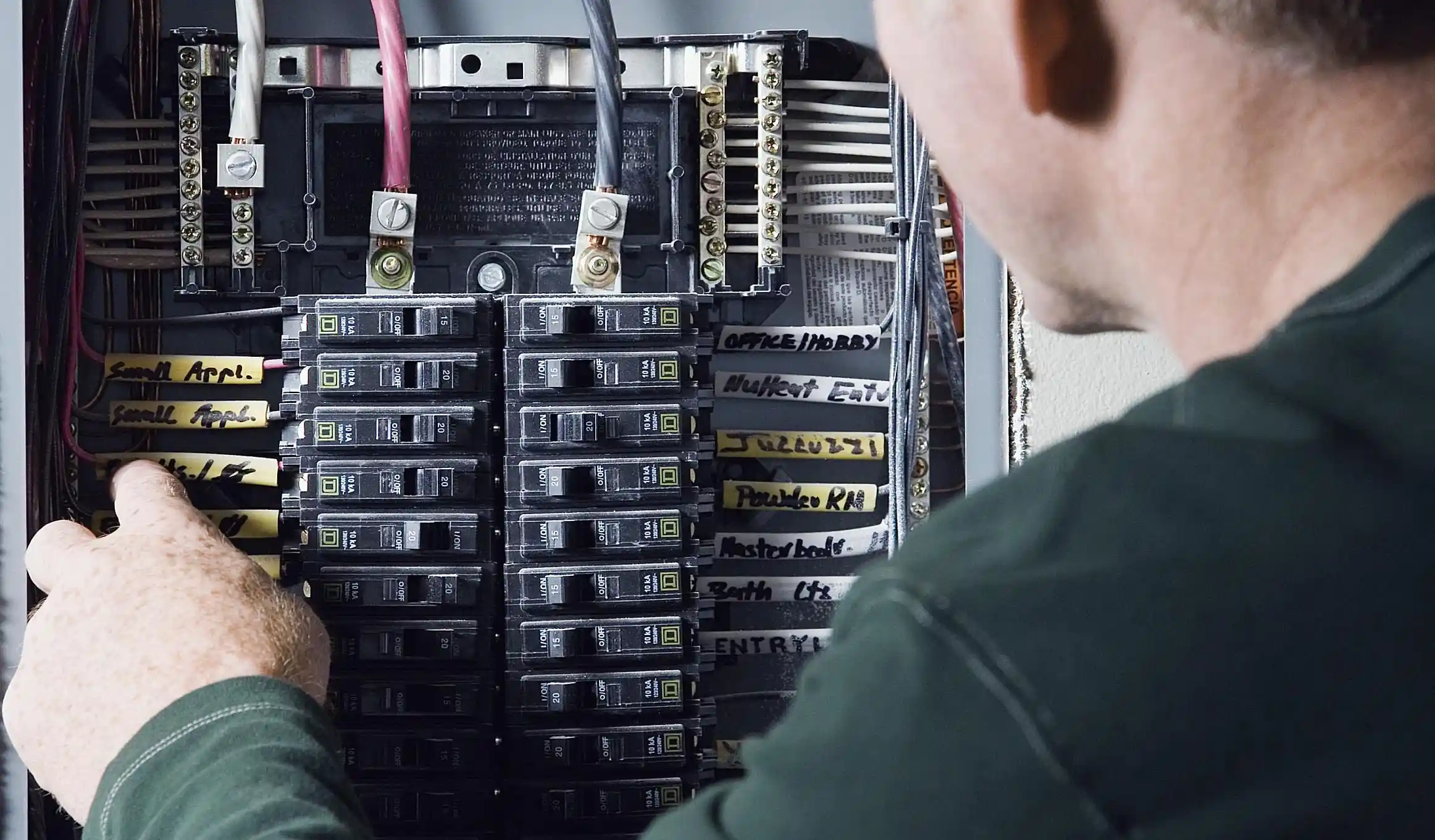
Can You Add More Breakers Instead of Upgrading the Panel?
Sometimes, yes.
But adding breakers does not increase the total power available to your home.
A panel may have open breaker spaces and still not have enough capacity for a major new load. This matters for EV chargers, hot tubs, garage heaters, large renovations, and major appliances.
Before adding circuits, an electrician should check:
- Panel capacity
- Existing circuit load
- Breaker space
- Panel condition
- Service size
- Equipment ratings
- Permit requirements
- Safety concerns
If the panel is already full, outdated, overloaded, or unsafe, a panel upgrade may be the better long-term option.
Older Homes in Leduc May Need Extra Review
Many older homes were built before today’s electrical demands became normal.
Older homes may not have been designed for:
- EV charging
- Home offices
- Larger kitchens
- Finished basements
- Air conditioning
- More electronics
- More appliances
- Garage equipment
- Smart home devices
Older homes in established Leduc neighborhoods may also have older panels, fuse equipment, limited breaker space, or wiring concerns that need special care.
If your home has aluminum wiring, have it checked before major electrical changes. Aluminum wiring needs proper handling and approved repair methods.
For more information, visit aluminum wiring.
Panel Upgrades and Renovation Projects
Renovations often increase electrical demand.
A kitchen renovation may need new appliance circuits. A basement development may need outlets, lights, smoke alarms, bathroom circuits, and heating equipment. A garage project may need wiring for tools, heaters, door openers, and EV charging.
Before you renovate, ask if your panel can support the new load.
Electrical planning is important for:
- Kitchens
- Bathrooms
- Basements
- Garages
- Additions
- Secondary suites
- Home offices
- Shops
- Outdoor projects
Planning early can help prevent delays, failed inspections, and expensive changes later.
If you are planning a project, review renovation electrical work before the work starts.
How Much Does a Panel Upgrade Cost in Leduc?
The cost depends on the home and the scope of work.
A basic panel replacement is different from a full 100 amp to 200 amp service upgrade. A full service upgrade may involve the panel, meter area, service entrance, grounding, utility coordination, permits, inspection, and a planned outage.
The price may be affected by:
- Current panel size
- Desired panel size
- Existing service size
- Panel location
- Breaker requirements
- Grounding or bonding updates
- Meter or service equipment needs
- Utility coordination
- Permit requirements
- Inspection requirements
- Access to the panel
- Age of the home
- Wiring condition
- New circuits being added
- EV charger needs
- Renovation plans
- Overhead or underground service
Avoid choosing a quote based only on the lowest number.
Ask what is included. A clear quote should explain the work, materials, permit handling if needed, inspection support if needed, and possible cost factors.
Should You Upgrade From 100 Amp to 200 Amp?
A 100 amp panel may be enough for some homes.
A 200 amp panel may be better if your home has more electrical demand or you plan future upgrades.
You may want to consider a 200 amp upgrade if:
- Your panel is full
- You are adding an EV charger
- You are finishing a basement
- You are adding a garage heater
- You are planning a major renovation
- Breakers trip often
- The panel is old or damaged
- You need more circuits
- You want more room for future electrical needs
- A load review shows your current system is not enough
Do not decide based on panel size alone.
Decide based on your home’s load, safety, panel condition, and future plans.
What Happens During a Panel Upgrade Assessment?
During an assessment, an electrician may check:
- Main panel size
- Main breaker rating
- Breaker condition
- Available breaker spaces
- Circuit labels
- Existing electrical loads
- Service size
- Meter area
- Grounding and bonding
- Signs of overheating
- Panel age
- Wiring condition
- Planned future loads
- EV charger or renovation needs
- Overhead or underground service details
You may also be asked what you plan to add in the next few years.
Be honest about future plans. They matter.
Tell the electrician if you may add:
- An EV charger
- Hot tub
- Basement suite
- Garage heater
- Air conditioner
- Kitchen renovation
- Workshop
- Addition
- More appliances
This helps the electrician recommend a safer and longer-term solution.
Why Choose Leduc Electrical Contracting for Panel Upgrades?
Leduc Electrical Contracting helps homeowners with safe and practical electrical solutions in Leduc and nearby communities.
Our team can assess your panel, review your electrical load, explain your options, and help you decide whether you need a repair, panel replacement, service upgrade, load management, or another solution.
We help with:
- Electrical panel upgrades
- 100 amp panel assessments
- 200 amp panel upgrades
- Load capacity reviews
- EV charger planning
- Breaker and circuit issues
- Renovation electrical planning
- Aluminum wiring concerns
- Electrical troubleshooting
- Residential electrical services
We serve Leduc, Leduc County, Nisku, Beaumont, Devon, South Edmonton, Sherwood Park, and nearby communities.
For full home electrical support, visit residential electrical services.
For service outside central Leduc, you can also review Leduc County electrician services.
Book an Electrical Panel Assessment in Leduc
If your breakers keep tripping, your panel is full, your lights flicker, or you are planning an EV charger or renovation, do not guess.
Get your panel checked.
A licensed electrician can review your electrical system and explain whether your home needs a repair, load management, panel upgrade, or full service upgrade.
For help with an electrical panel upgrade in Leduc, contact Leduc Electrical Contracting.
Call 587-801-1440 or schedule electrical service online.
FAQs About Electrical Panel Upgrades in Leduc
A 100 amp panel provides less available electrical capacity than a 200 amp panel. A 100 amp panel may work for smaller homes with modest power needs. A 200 amp panel is often better for homes with EV chargers, hot tubs, air conditioning, renovations, garage loads, or future electrical upgrades.
In simple theory, a 100 amp panel at 240 volts can provide about 24 kW of power. This is basic math, not a replacement for a load calculation. Your actual home capacity depends on the full electrical system, service size, connected loads, and code requirements.
In simple theory, a 200 amp panel at 240 volts can provide about 48 kW of power. This gives more room for modern electrical demand, but your home still needs a proper load review before major upgrades are added.
You may need an upgrade if breakers trip often, lights flicker, the panel is full, the panel feels warm, you hear buzzing, or you are adding a major load such as an EV charger, hot tub, garage heater, air conditioner, or renovation circuits.
A 100 amp panel may be enough for a smaller home with modest electrical demand. It may not be enough for larger homes, EV chargers, hot tubs, garage equipment, major renovations, or several high-load appliances. A load review can confirm what your home needs.
A 200 amp panel gives your home more available capacity and more room for future electrical needs. It is often better for homes with EV chargers, finished basements, larger appliances, air conditioning, garage loads, or renovation plans.
Not always. Some homes can support an EV charger with a 100 amp panel, depending on available capacity and charger requirements. Other homes may need a panel upgrade, service upgrade, or load management system.
Sometimes, but adding breakers does not increase your total service capacity. If your panel is full, overloaded, outdated, or too small for the new load, a panel upgrade may be safer.
A panel upgrade usually replaces or improves the breaker panel. A service upgrade increases or changes the electrical supply to the home. Some projects need both, especially when moving from 100 amp to 200 amp service.
Many panel upgrades, service changes, and major electrical alterations may require an electrical permit. A licensed electrician can explain whether your project needs a permit and how the process works.
It may. Some service upgrades require coordination with the local electric distribution provider, especially when the service entrance, meter area, overhead mast, underground service, or utility-side connection is involved.
The timeline depends on the project. Some panel replacements are simpler, while full service upgrades may involve permits, inspection, utility coordination, and a scheduled power shutdown.
Breakers may trip because the circuit is overloaded, the appliance has a fault, the wiring has an issue, or the panel does not have enough available capacity. An electrician can inspect the system and find the cause.
You should have your panel checked before a major renovation. Basements, kitchens, garages, and additions often add new circuits and larger loads. A panel review can help prevent delays and safety issues.
Call a qualified local electrician who can assess your panel, complete a load review, explain permit needs, and recommend the safest option for your home. Leduc Electrical Contracting provides panel upgrade assessments and residential electrical services in Leduc and nearby areas.